Loading...
Serving Reading, PA and surrounding areas. (484) 878-3671
Heat leaves your Reading home through hundreds of small gaps you cannot see. We find them with a blower door test, seal every one, and prove the improvement with a before-and-after measurement before we pack up.
Air sealing in Reading, PA closes the gaps, cracks, and openings where outside air enters and conditioned air escapes, most jobs for a single-family home are completed in one to two days. Insulation slows heat transfer, but it cannot stop air from moving through gaps around pipes, outlets, framing connections, and attic penetrations. Think of it like a wool sweater with holes in it: the material helps, but the holes let the cold in. Reading's older housing stock, with a large share of homes built before 1950, has more of these openings than newer construction. If you are also dealing with empty wall cavities that lose heat by conduction, our basement insulation and attic air sealing services address the other major heat-loss areas in your home.
The most common air leak locations in a Reading home are not windows and doors, which most homeowners have already weather-stripped. They are where different building materials meet: where the walls meet the floor, around recessed ceiling lights, where pipes and wires pass through floors and ceilings, and in the attic above your living space. These are invisible unless you know where to look, and a blower door test makes them easy to find.
Reading winters run from October through April, and the heating season here is long enough that even small efficiency gains show up as real savings on your monthly bill. Air sealing is one of the most cost-effective improvements a homeowner in this climate can make.
If your gas or electric bill jumps dramatically as soon as cold weather arrives and stays high even at a moderate thermostat setting, conditioned air is escaping and cold air is getting in. Reading winters are long and cold enough that even moderate air leaks add up to hundreds of dollars over a season. A home that holds heat well should not show that kind of dramatic seasonal spike.
If a bedroom, corner of the living room, or area near an exterior wall always feels colder than the rest of your home, air is likely leaking in near that spot. This is especially common in Reading's older homes where the connection between the wall and the floor or ceiling was never properly sealed. You can sometimes feel a draft with your hand near baseboards or around outlets on exterior walls.
Stand in your unfinished attic or basement and look for places where you can see light coming through from outside. If light can get in, so can cold air. In Reading's pre-war housing stock, openings at the attic hatch, at the area where wall framing meets the foundation, and around pipes and wires are common and fixable.
If dust accumulates unusually fast near air vents, on window sills, or along baseboards, air may be pulled in through gaps and carrying particles with it. In older Reading homes with gaps in plaster walls and around original window frames, this kind of excessive dustiness is a common complaint and air sealing is often the fix.
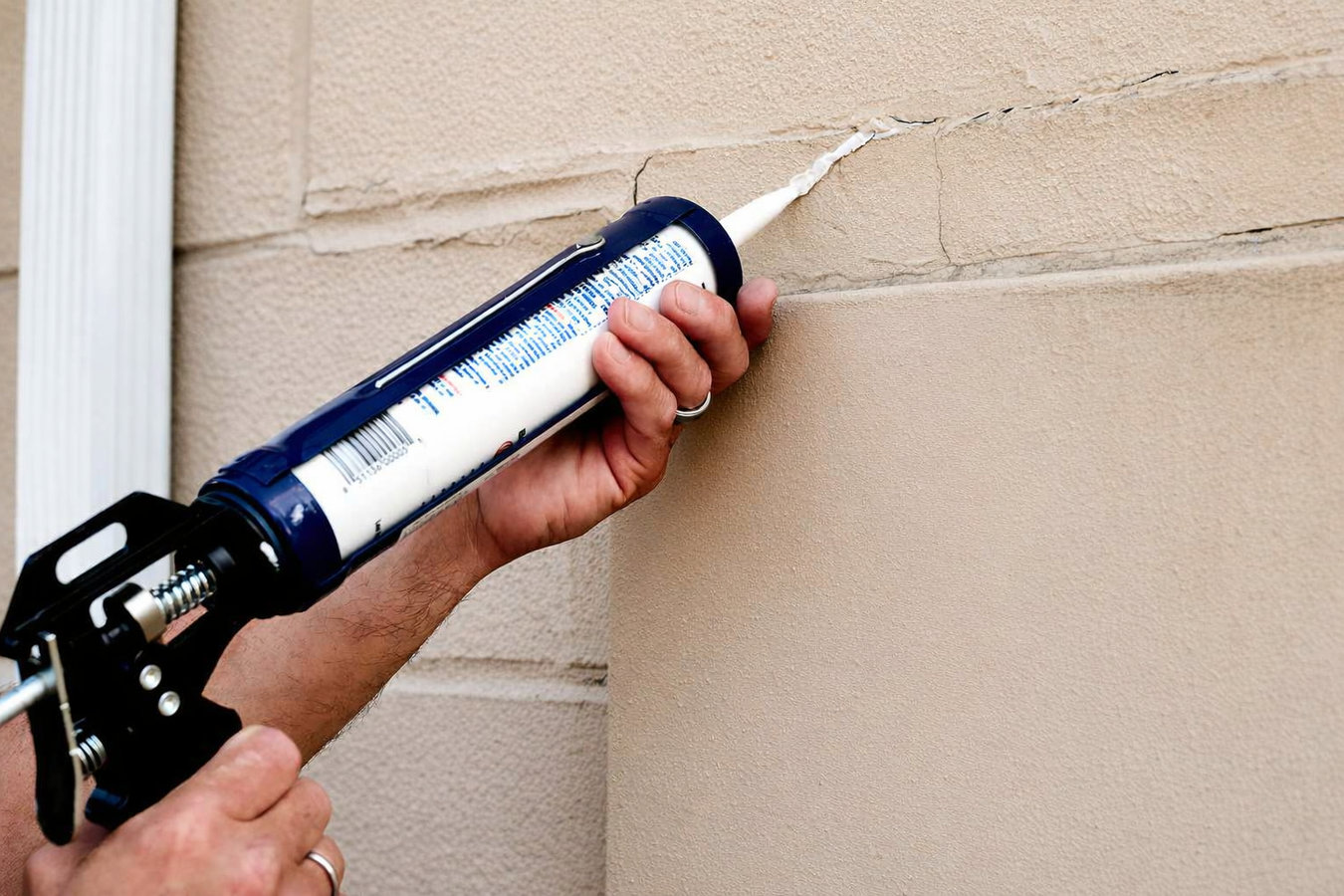
We provide whole-home air sealing for residential properties across the Reading area, using foam, caulk, and weatherstripping to close gaps systematically from attic to basement. Every job starts with a blower door test, which gives us a precise measurement of how much air is moving through your home's envelope before we start. We focus on the areas with the highest impact: attic bypasses, basement rim joists, around plumbing and electrical penetrations, and at the junction between the wall framing and the floor system. For homes where the attic is the primary source of air movement, our dedicated attic air sealing service can be done as a standalone project.
Air sealing and insulation work together, and we often do both in the same visit. Sealing the gaps first, then adding insulation over the top, gives you better results than insulation alone because air can bypass even a thick layer of insulation if there are openings nearby. We coordinate both scopes so nothing falls through the cracks between trades. For homeowners focused on the below-grade spaces, our basement insulation service covers that area end to end.
After the work is done, we run the blower door again and hand you a written comparison of the before-and-after numbers. You know exactly what changed. If you are applying for a PPL Electric rebate or a federal energy efficiency tax credit, this documentation is typically required and we provide it as part of the job.
For homeowners who want to address every zone at once, from attic to basement, in a single coordinated visit.
Best for homes where the attic is the primary source of air movement and heat loss in winter.
Right for homes where cold air enters from below, creating cold floors and a consistently chilly first floor.
The most comprehensive approach, pairing gap closure with thermal resistance in the same project.
Reading has one of the oldest housing stocks in Pennsylvania, with a large share of homes built before 1950. Homes of that era were built with plaster walls, uninsulated attics, and dozens of gaps where pipes, wires, and structural elements pass through floors and ceilings. These homes were never designed to hold heat efficiently, and decades of settling, modifications, and wear add more openings over time. Air sealing jobs in Reading tend to be more involved than in newer suburbs, and the improvement in comfort after the work is often dramatic because the starting point is so far from where it should be.
Reading's climate zone means heating season runs for roughly six months of the year. Every gap in your home's envelope is working against your furnace from October through April. Homeowners in Bethlehem and Allentown face the same climate conditions, and the same older housing types, which is why we serve those areas as well.
PPL Electric Utilities and UGI, both of which serve the Reading area, offer rebates for customers who complete qualifying energy efficiency work including air sealing. These programs are funded through Pennsylvania's Act 129 energy efficiency requirements. On top of state programs, the federal government's energy efficiency tax credits create additional savings for qualifying homeowners. We also serve Lebanon and surrounding communities where the same rebate programs apply. The federal IRS guidance on these credits is published at the IRS Energy Efficient Home Improvement Credit page.
When you reach out, we ask about your home's age, your main complaints (high bills, drafty rooms, comfort), and whether any previous insulation or energy work has been done. We schedule a free in-home assessment, usually within a few days. Most Reading-area jobs are answered within 1 business day.
A technician mounts a calibrated fan in your front door to depressurize the home, which makes air leaks easy to find and measure. The assessment takes one to two hours and gives us a clear picture of where to focus. You receive a written estimate at the end of this visit.
The crew works through your home systematically, typically starting in the attic, then the basement or crawl space, then problem areas in the living space. They apply foam, caulk, and weatherstripping to each gap. Most jobs are completed in one day, and you can usually stay in your home throughout.
After the work is done, we run the blower door test again. You receive a written before-and-after comparison showing exactly how much improvement was made, in measurable terms. This documentation is useful if you apply for a PPL utility rebate or a federal energy tax credit.
Free blower door assessment. Written quote before any commitment. No obligation, no sales pitch.
(484) 878-3671We provide a free written estimate before any work begins and document the materials and coverage installed on every job. You get clear scope and pricing up front, with no pressure to sign on the spot.
We measure your home's air leakage before and after every air sealing job. That means you leave with a real number, not a feeling. If a contractor cannot show you test results, you have no way to confirm the job worked.
Row homes and attached townhouses require different air sealing attention than detached houses, including party walls, shared attic spaces, and penetrations between units. We work in Reading's denser neighborhoods regularly and approach these jobs with the right expectations from the start.
We respond to every inquiry within 1 business day and walk you through every PPL Electric and federal tax credit you qualify for before work begins. You will not find out about available money after the job is already done.
We have worked in Reading's row homes, twins, and older detached houses long enough to know where the leaks hide and how to seal them properly. The blower door test is how we hold ourselves accountable, and the written results are how you hold us accountable. For homeowners who want to understand the technical standards behind this work, the Building Performance Institute publishes the industry standards for residential energy sealing work.
For guidance on air sealing methods and common leak locations, the U.S. Department of Energy Air Sealing guide is a reliable reference for homeowners.
Insulate basement walls and rim joists to stop cold air from rising into your living space.
Learn moreTarget the attic floor specifically, where the largest air leaks in most Reading homes are found.
Learn moreHeating season in Reading is long. The sooner your home is sealed, the sooner you stop paying for heat that escapes through gaps you cannot see.