
Loading...
Serving Reading, PA and surrounding areas. (484) 878-3671
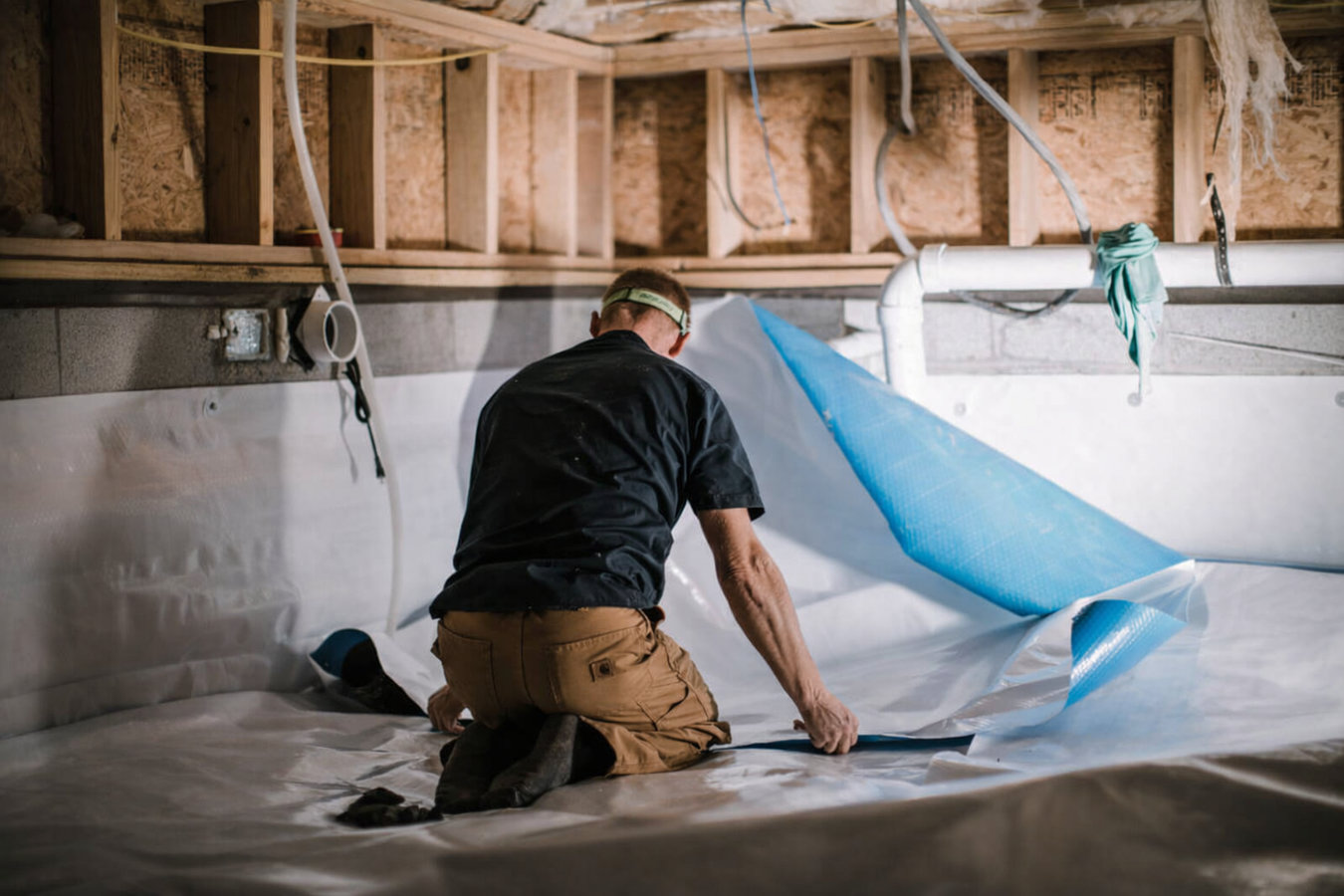
Ground moisture rising through an unsealed crawl space is silently softening your floor joists and degrading your insulation. A properly installed vapor barrier stops it before the damage becomes expensive.
Crawl space vapor barrier installation in Reading, PA blocks ground moisture from rising into your home's structure - most jobs are completed in one day, and the protection starts immediately once the barrier is sealed in place.
Reading sits in a river valley where soil moisture is persistent, especially after rain and during the freeze-thaw cycles that run through every Berks County winter. When a crawl space has no barrier - or only old, torn plastic that has been there since the 1970s - that ground moisture evaporates upward into your floor joists, your insulation, and eventually your living space. The musty smell that gets worse every spring is the most common sign homeowners notice first.
A vapor barrier addresses the moisture at its source. In homes where the insulation has already been compromised, we often recommend pairing this work with a full crawl space insulation installation so both the moisture problem and the thermal loss are resolved at once.
If your home develops a damp, earthy odor every spring - or after a heavy rainstorm - ground moisture is rising through the crawl space and into your living area. In Reading's river valley, freeze-thaw cycles push soil moisture upward more aggressively than in higher-elevation areas, and homes without a barrier carry that smell through the whole heating season. This is not something that ventilation fixes on its own.
Wood floor joists that have been absorbing ground moisture for years begin to lose their rigidity. If spots on your first floor feel bouncier or softer than they should, the framing below may already be affected. This is especially common in Reading homes built before 1960, which were not designed with crawl space moisture protection in mind. Catching it early costs far less than addressing structural damage after the fact.
You do not need to enter the crawl space to check - just shine a flashlight through the access hatch. Dark, wet soil, pooling water, or moisture beading on pipes and the underside of the floor joists are all clear signals that a vapor barrier is needed. Even a small amount of standing water after rain means the crawl space is receiving more ground moisture than it can handle without protection.
Termites, carpenter ants, and rodents are drawn to damp, unprotected wood. If a pest inspector has flagged moisture damage - or if you have had any wood-destroying insect activity - the underlying moisture problem needs to be addressed at the source. A vapor barrier removes the condition that makes your crawl space attractive to pests and protects the wood those treatments cannot replace.
We install heavy-duty polyethylene sheeting across the floor of your crawl space, with all seams overlapped and sealed using moisture-rated tape. The barrier runs up the foundation walls and is secured at the edges - not left loose, not taped with the wrong product, and not stopping short of the perimeter. That edge and seam work is where most installations fail, and it is where we pay the most attention.
Before any material goes down, we inspect the crawl space for standing water, old debris, damaged insulation, and any pest activity that should be addressed first. In Reading's older homes - particularly those with stone or block foundation walls - moisture also enters through the walls themselves, not just the floor. When we see that, we address the wall coverage as part of the installation rather than leaving gaps that let the moisture back in.
For homes with serious ongoing moisture problems, we explain the difference between a standard barrier and full vapor barrier installation that includes encapsulation. We give you a clear explanation of which option your home actually needs before any work is quoted.
The U.S. Environmental Protection Agency identifies crawl space moisture as a leading cause of indoor mold and air quality problems in homes - a particular concern in older housing stock like Reading's, where many homes have never had proper moisture control installed.
Suits most Reading homes - covers the crawl space floor with sealed seams and wall run-up.
Best for crawl spaces with regular foot traffic for HVAC or plumbing access.
Right choice when moisture is coming through foundation walls, not just the floor.
Required when deteriorated or contaminated material is already in the crawl space.
Always included - we assess drainage, pest activity, and framing before recommending anything.
Reading sits in the Schuylkill River valley, and that geography matters for every crawl space in the city. Soil moisture is more persistent here than on higher ground in Berks County, and the freeze-thaw cycles that repeat throughout every winter push that moisture upward more aggressively than in warmer climates. Homes in lower-elevation neighborhoods near the river feel this most directly, but even homes on higher blocks deal with Berks County's clay-heavy soils, which hold and release moisture throughout the year.
A large share of Reading's housing stock was built before 1960 - before vapor barriers were standard practice in residential construction. Many of these homes have bare dirt crawl space floors that have been releasing ground moisture into the structure for decades. Homes in row home blocks or semi-detached twins face an additional complication: crawl space moisture conditions are sometimes influenced by what is happening in the adjacent unit. A contractor familiar with Reading's housing types will check for those shared conditions during the assessment.
We serve all of Reading and the surrounding service area. Homeowners in Pottstown, Lancaster, and Norristown deal with similar soil and housing-age conditions, and we bring the same level of inspection and installation standards to every job in the region.
Call or submit your information online and we will respond within one business day. We will ask a few basic questions about your home - its age, whether you have noticed any specific moisture or odor issues - so we can come prepared with the right materials.
Before we quote anything, we physically enter your crawl space and inspect it ourselves. We look at soil conditions, any existing material, moisture level, pest signs, and foundation wall type. If there are issues that need to be addressed before the barrier goes in, we explain them in plain language - no technical jargon, no pressure.
After the inspection you receive a written quote that spells out the material, the scope of work, and the total price. Any prep work needed - debris removal, old material disposal - is listed separately so you know exactly what you are paying for. We do not sign you up for anything without your written agreement.
The crew arrives, clears the crawl space, lays the barrier across the floor and up the walls, overlaps and seals every seam, and secures the edges. Most jobs are finished the same day. Before we leave, we show you the finished work - in person or with photos if you would rather not go in - so you are not left wondering whether the job was done right.
Free estimate. Written quote. No obligation. We respond within one business day.
(484) 878-3671We enter every crawl space ourselves before recommending any work or naming a price. This step takes 20 to 45 minutes and is how we catch the things that change the scope - standing water, pest damage, deteriorated framing - before they become surprises on installation day. It is also how we make sure we are recommending what your home actually needs, not the most expensive option available.
Pennsylvania requires contractors who work on residential properties to hold a Home Improvement Contractor registration. That registration gives you legal protections if something goes wrong, including the right to a written contract and the ability to file a complaint with the state. You can verify our registration directly through the{" "}Pennsylvania Attorney General's office.
Reading's housing stock has specific challenges - stone and block foundations that allow wall moisture intrusion, row home crawl spaces that share conditions with adjacent units, and clay soils that retain moisture throughout the season. We have worked on these homes long enough to anticipate those conditions, which means fewer surprises for you and a better result.
We take photos inside the crawl space during and after the installation. Before we leave, you see what was done - either in person or through the photos if you prefer not to go in yourself. That documentation is also useful if you ever need to show future buyers or an inspector what moisture protection your home has in place.
Crawl space moisture is one of those problems that gets easier to ignore right up until it is not. We are a local contractor with a permanent address in Reading - not a regional franchise - and our work in this community is the only reputation we have. Every job gets the same inspection, the same documentation, and the same walkthrough before we pack up.
Vapor barrier installation covers both crawl spaces and basements, stopping ground and wall moisture before it reaches your home's structure.
Learn moreCrawl space insulation pairs with a vapor barrier to create a complete thermal and moisture barrier under your home.
Learn moreSpring is the busiest time for crawl space work in Berks County - contact us now to get on the schedule before moisture season is already underway.