Loading...
Serving Reading, PA and surrounding areas. (484) 878-3671
Reading Insulation provides insulation contractor services throughout Norristown, PA, specializing in wall insulation, attic upgrades, and crawl space work in the borough's brick row homes and pre-1950 twins. We serve Montgomery County homeowners and respond to every inquiry within one business day.
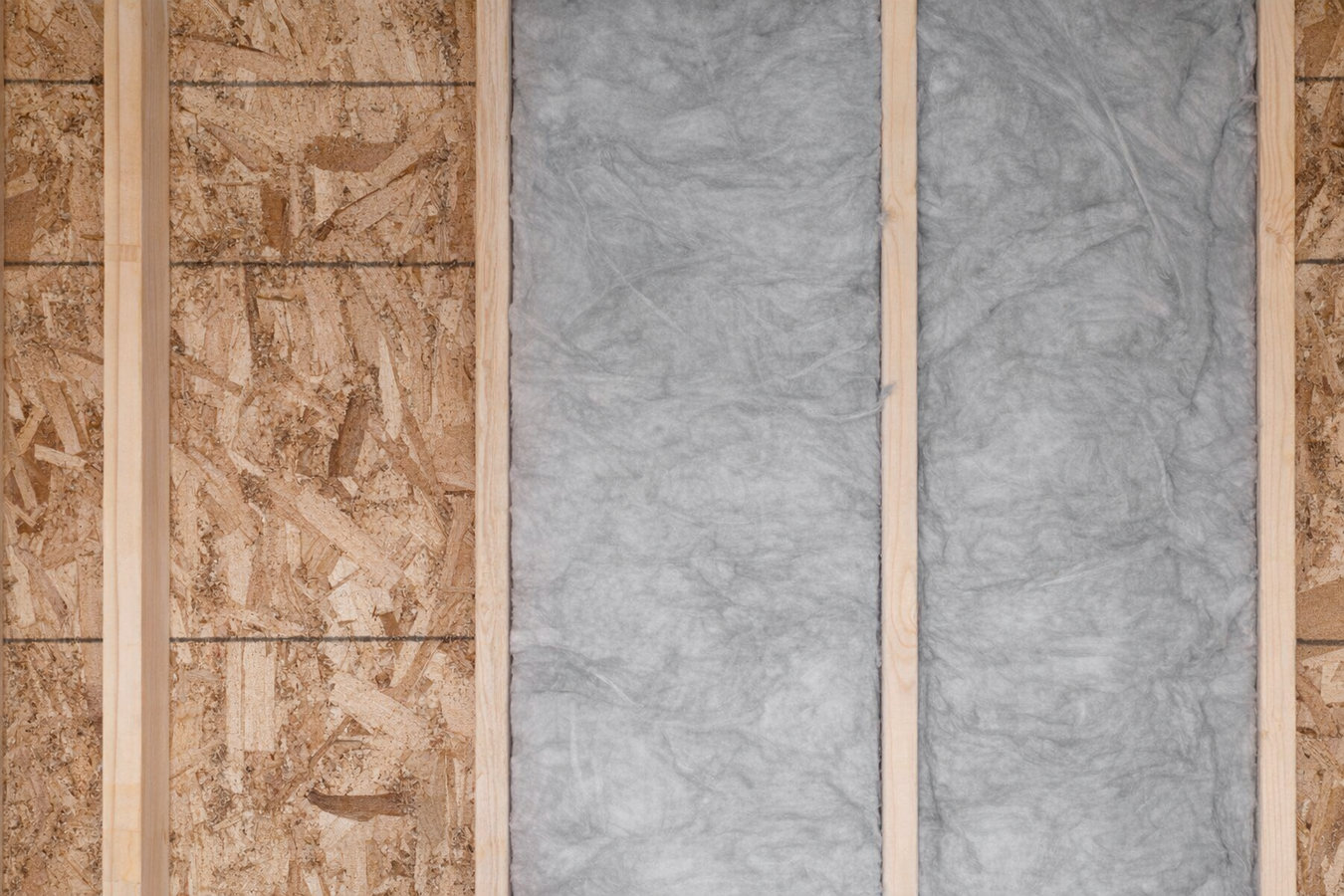
Most of Norristown's row homes and twins were built with hollow wall cavities that were never filled with insulation. In a dense borough where heating costs hit hard each winter, uninsulated walls are a major source of heat loss. Wall insulation added by drilling small holes and blowing in cellulose or fiberglass can bring these older homes up to a level of comfort they have never had before, without a full gut renovation.
Norristown homes built before 1950 frequently have attics with little or no insulation on the floor, or with old fiberglass batts that have compressed and lost their thermal value. The borough's cold winters and freeze-thaw cycles put steady pressure on any home that is losing heat through the top. Upgrading attic insulation is typically the highest-return improvement available to owners of these older homes.
Blown-in cellulose or fiberglass is the right choice for many Norristown attics because it fills irregular framing and tight spaces that batts cannot reach cleanly. It can also be added on top of existing insulation to bring R-value up to current standards. In a borough where most attics were never properly insulated in the first place, blown-in is often the fastest and most cost-effective path forward.
Homes near Stony Creek or the Schuylkill River corridor in Norristown frequently deal with elevated ground moisture and seasonal humidity in crawl spaces and lower levels. An uninsulated, unsealed crawl space lets that moisture move up into living areas, causing musty odors and cold floors all winter. Proper insulation and vapor control in the crawl space address both the moisture and the comfort problems.
Century-old homes in Norristown have gaps around pipes, wiring, and framing members that let conditioned air escape continuously. Air sealing the attic floor and rim joists before insulating traps that work inside the home rather than letting it pour out through cracks. In dense row home construction, where homes share walls and each unit relies on its own insulation to perform, air sealing is especially important.
Older homes throughout Norristown sometimes have deteriorated, rodent-damaged, or contaminated insulation that needs to come out before anything new goes in. Adding insulation on top of compromised material reduces the value of the new work and can trap moisture problems underneath. Safe removal and proper disposal are handled as part of the project before new insulation is installed.
Norristown is one of the oldest boroughs in Pennsylvania, and most of its homes were built before 1960, with a large share dating to the late 1800s and early 1900s. These homes predate modern insulation standards by decades. Row homes and twins that make up the bulk of the borough's housing stock were built with brick and stone exteriors that absorb and release heat rather than stopping its transfer. The result is that without proper insulation in the walls, attic, and crawl space, these homes struggle to stay warm in winter and cool in summer regardless of how the heating and cooling systems perform.
Norristown's winters bring average January lows in the mid-20s Fahrenheit and repeated freeze-thaw cycles throughout the season. These cycles stress masonry and any moisture-holding material in the home's envelope. Summer brings high humidity, which creates condensation risk in uninsulated crawl spaces and basements. Homes near Stony Creek and along the Schuylkill River corridor face additional ground moisture pressure during spring rain events, when water tables rise and basements take on water. The National Weather Service Philadelphia/Mount Holly office documents the seasonal patterns for this part of Montgomery County.
The density of the borough adds a practical layer. Row homes share walls with neighbors, which means the exposed exterior wall area per home is smaller, but it also means the attic, crawl space, and front and rear walls are carrying all the thermal load. In attached housing, poor insulation in the attic and crawl space has a proportionally larger effect than it does in a detached home with four exposed sides. Landlord-owned properties that have seen deferred maintenance are especially likely to have no meaningful insulation anywhere in the envelope.
We work regularly in Norristown Borough and are familiar with the permit process through the Norristown Borough offices. The attached row homes and twins we encounter throughout the borough - especially in the West End and East End neighborhoods - are a distinctly different job from a detached colonial in a newer township. Shared walls, brick exteriors, and narrow lot access require more planning than a typical suburban job, and our crew is used to working within those constraints.
Norristown is the county seat of Montgomery County, and its neighborhoods reflect over 200 years of building history. The blocks near Elmwood Park Zoo in the western part of the borough tend to have a mix of early 20th-century twins and some postwar detached homes. The East End runs closer to the Schuylkill River, where flooding history and ground moisture are more of a factor in any work involving a crawl space or basement.
We also serve Pottstown to the northwest, another borough with a similar older housing stock along the Schuylkill corridor. Homeowners in and around Norristown dealing with cold drafts, high utility bills, or crawl space moisture problems will find our crew familiar with the exact type of construction they have.
Call or submit a request online and we will respond within one business day. We schedule around your availability and do not charge for the initial estimate visit.
A member of our team visits your home to assess the attic, walls, crawl space, or basement you want addressed. We provide a written estimate before any work is scheduled, so you know the full cost before committing.
Most jobs in Norristown are completed in a single visit. You do not need to be home for the entire job, but we ask that you are present at the start so we can walk through the scope together before we begin.
When the job is done, we walk through the completed work with you and answer any questions. If permits were required, we handle the paperwork and ensure the record is closed before we leave.
We serve Norristown Borough and surrounding Montgomery County communities. No pressure, no obligation - just a straight assessment of what your home needs.
(484) 878-3671Norristown is the county seat of Montgomery County and has served as the center of local government for over 200 years. The borough covers about three square miles along the Schuylkill River and is home to roughly 34,000 residents, making it one of the more densely populated places in the county. Its distinct neighborhoods - including the West End, East End, and areas near Stony Creek - each carry their own character, but the housing throughout is predominantly older, attached, and built from local brick and stone.
A large share of the borough's housing was built before 1950, much of it as worker housing for families who lived close to the county's industrial and commercial employers. Row homes and semi-detached twins are the dominant housing type, and many of them retain original plaster walls, cast-iron radiators, and foundations that predate modern building codes. Landmarks like Elmwood Park Zoo and the historic Montgomery County Courthouse anchor the community's identity as an established, working borough rather than a new suburb.
Norristown is served by SEPTA regional rail and sits about 17 miles northwest of Philadelphia along Route 202. It is a short drive from Reading to the northwest and from other older Montgomery County communities with similar housing stock. Homeowners throughout the borough deal with the same challenges: aging construction, high heating costs, and moisture in the lower levels of homes that sit in a river valley.
Spray foam creates an airtight seal that stops air leaks and maximizes energy savings.
Learn moreProper attic insulation keeps conditioned air inside and reduces heating and cooling costs.
Learn moreBlown-in insulation fills gaps and hard-to-reach areas for complete, even coverage.
Learn moreSafe removal of old, damaged, or contaminated insulation before new material is installed.
Learn moreInsulating your crawl space reduces moisture, drafts, and heat loss from below your floors.
Learn moreWall insulation reduces outside noise and keeps indoor temperatures stable.
Learn moreAir sealing closes gaps and cracks that let conditioned air escape and drive up energy bills.
Learn moreBasement insulation prevents cold floors, moisture buildup, and energy loss at the foundation.
Learn moreClosed-cell foam provides the highest R-value per inch and acts as a moisture barrier.
Learn moreOpen-cell foam expands to fill every cavity and delivers excellent soundproofing.
Learn moreAttic air sealing blocks the stack effect that pulls warm air out of your home in winter.
Learn moreA vapor barrier keeps ground moisture out of your crawl space and living areas above.
Learn moreProfessional vapor barrier installation protects your home from humidity-related damage.
Learn moreRetrofit insulation adds performance to existing walls and attics without major renovation.
Learn moreCommercial insulation solutions for offices, warehouses, and mixed-use buildings.
Learn moreServing these cities and communities.
Call Reading Insulation today or submit a free estimate request. We serve Norristown Borough and respond within one business day - before another winter heating bill arrives.