Loading...
Serving Reading, PA and surrounding areas. (484) 878-3671
Reading Insulation is an insulation contractor serving Reading, PA with spray foam, attic insulation, and crawl space services. We have served Berks County since 2022, responding to inquiries within one business day.
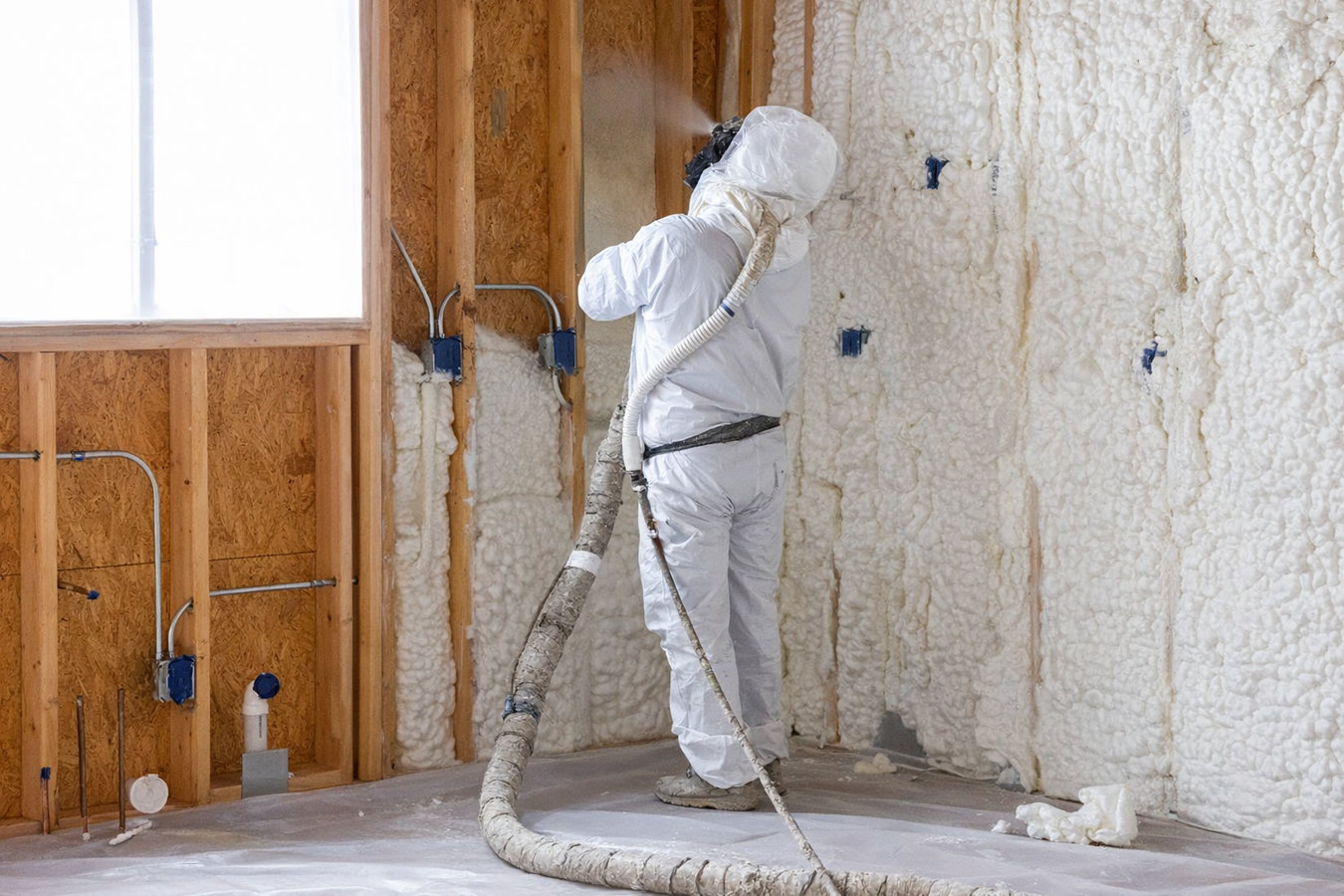
Reading's pre-war row homes and twins were built long before modern insulation standards existed. Many have open rim joists, uninsulated balloon-frame walls, and attic floors that leak heat all winter. Spray foam insulation addresses both the insulation value and the air-sealing problem in one application, which makes it especially effective in homes where drafts are as much of an issue as heat loss.
In Reading's older housing stock, the attic floor is one of the biggest sources of heat loss in winter and heat gain in summer. Homes built before 1940 often have little or no insulation on the attic floor, and what was added decades ago has settled and compressed over time. Adding or upgrading attic insulation is one of the most cost-effective improvements you can make to a home this age.
Reading's row homes and older detached houses often have irregular attic framing and tight ceiling cavities that are difficult to insulate with batts. Blown-in cellulose or fiberglass fills these irregular spaces completely and can be added on top of existing insulation without removal, which makes it a practical choice for homes where access is limited.
Many homes in Reading's hillside neighborhoods and older blocks have partial basements or crawl spaces that are uninsulated and unprotected from ground moisture. Berks County's humid summers make these spaces prone to condensation and mold if left unaddressed. Proper crawl space insulation and air sealing keeps cold floors and musty smells out of the living areas above.
Insulation slows heat transfer, but air sealing stops the drafts that carry heat straight out of a house. In Reading's century-old homes, gaps around wiring, pipes, and framing members can be just as significant as missing insulation. Air sealing the attic floor and rim joists before insulating dramatically improves the performance of everything installed on top of it.
A number of Reading's older homes still have vermiculite, deteriorated fiberglass batts, or rodent-contaminated insulation in the attic or crawl space. Installing new material on top of old, damaged insulation reduces the effectiveness of the new work. Safe removal is the right first step before any new insulation goes in, and it is something we handle as part of a complete project.
The majority of Reading's housing was built before 1940, and a large portion dates to before 1920. These homes were constructed before modern insulation standards existed. Row homes, twin houses, and detached Victorian-era houses throughout the city were built with brick, stone, and plaster - durable materials, but poor thermal boundaries on their own. The result is a housing stock that loses heat quickly in winter and absorbs it in summer, regardless of how the heating and cooling systems perform.
Reading's climate adds pressure. Average January lows regularly drop into the mid-20s Fahrenheit, and the city experiences frequent freeze-thaw cycles that stress masonry and any material holding moisture. Summers bring high humidity, with July dew points that create condensation in uninsulated crawl spaces and basements. Homes built without vapor barriers or continuous insulation are vulnerable to both extremes. The National Weather Service Philadelphia/Mount Holly office tracks these climate patterns for Berks County.
Reading's geography adds a third factor. The city sits in a valley between ridges, and hillside neighborhoods near Mount Penn have steep lots with drainage patterns different from the flat blocks near the Schuylkill River. Crawl spaces and basement walls in low-lying areas see more ground moisture, while hillside homes deal with higher wind exposure. Insulation decisions that work well in one part of the city may not be the right approach in another.
We have worked on homes in Reading, PA since 2022 and regularly pull permits through the City of Reading's Bureau of Codes Enforcement. The older construction we encounter throughout the city, especially on the row home blocks east of the railroad corridor and on the hillside streets near City Park, is different from what you find in newer suburban construction. Balloon-frame walls, plaster ceilings, and brick foundations all require a different approach than platform-frame homes built after 1960.
The city's neighborhoods vary considerably. The blocks near the Pagoda on Mount Penn have some of the steepest residential lots in the area, while homes closer to the Schuylkill River floodplain deal with ground moisture that hillside properties do not face. We know which neighborhoods sit in flood-prone areas, which streets have the oldest housing stock, and how permit requirements differ between the city and surrounding boroughs.
We also serve the communities directly surrounding Reading. Homeowners in Pottstown encounter similar older housing stock and the same climate conditions as Reading itself. If you are outside Reading's city limits but still in Berks County, give us a call - the surrounding boroughs and townships are all part of our service area.
When you contact us, we ask a few quick questions: which area of the home you are concerned about, any problems you have noticed, and roughly how old your house is. We respond to all inquiries within one business day.
We walk the areas you want insulated, check existing conditions, and look for moisture or damage that should be addressed first. You receive a written estimate before any work begins, with no pressure to decide on the spot.
Most Reading jobs are completed in a single day. The crew handles all the setup and cleanup, and we pull any required permits through the City of Reading or the applicable township before the work starts.
Before leaving, we walk you through the finished work so you can see exactly what was done and ask any questions. We do not consider a job complete until you are satisfied with the result.
We serve Reading, PA and surrounding Berks County communities. Send us a message or call directly - we respond within one business day and can schedule an on-site estimate at your convenience.
(484) 878-3671Reading is the county seat of Berks County and one of the larger cities in Pennsylvania, with roughly 95,000 residents. The city developed as a manufacturing center in the 19th and early 20th centuries, and much of that era's housing still stands today. Row homes and semi-detached twins are the dominant housing type, particularly in the city's central and eastern neighborhoods. Detached Victorian-era houses are common in older residential areas closer to City Park and along the hillside streets that climb toward the Pagoda on Mount Penn.
The city is bordered closely by separate boroughs and townships, including West Reading, Wyomissing, Shillington, Laureldale, and Muhlenberg Township. Many residents and businesses move between these communities daily, and contractors serving Reading regularly work in these surrounding areas as well. Reading Premium Outlets in neighboring Wyomissing is one of the most recognizable commercial landmarks in the broader region. The Schuylkill River runs through the city's western edge, and neighborhoods near the river sit in FEMA-designated flood zones that affect basement and crawl space moisture conditions.
A significant share of Reading's housing predates modern building codes, which means original insulation, plaster walls, and uninsulated structural cavities are still common. Homeowners throughout the city, as well as in nearby communities like Pottstown, share similar housing challenges and benefit from the same types of insulation improvements.
Spray foam creates an airtight seal that stops air leaks and maximizes energy savings.
Learn moreProper attic insulation keeps conditioned air inside and reduces heating and cooling costs.
Learn moreBlown-in insulation fills gaps and hard-to-reach areas for complete, even coverage.
Learn moreSafe removal of old, damaged, or contaminated insulation before new material is installed.
Learn moreInsulating your crawl space reduces moisture, drafts, and heat loss from below your floors.
Learn moreWall insulation reduces outside noise and keeps indoor temperatures stable.
Learn moreAir sealing closes gaps and cracks that let conditioned air escape and drive up energy bills.
Learn moreBasement insulation prevents cold floors, moisture buildup, and energy loss at the foundation.
Learn moreClosed-cell foam provides the highest R-value per inch and acts as a moisture barrier.
Learn moreOpen-cell foam expands to fill every cavity and delivers excellent soundproofing.
Learn moreAttic air sealing blocks the stack effect that pulls warm air out of your home in winter.
Learn moreA vapor barrier keeps ground moisture out of your crawl space and living areas above.
Learn moreProfessional vapor barrier installation protects your home from humidity-related damage.
Learn moreRetrofit insulation adds performance to existing walls and attics without major renovation.
Learn moreCommercial insulation solutions for offices, warehouses, and mixed-use buildings.
Learn moreServing these cities and communities.
Reading winters are hard on older homes. Call today and we will schedule an on-site assessment - no commitment required and no price until we have seen the work.