Loading...
Serving Reading, PA and surrounding areas. (484) 878-3671
Reading Insulation serves Trenton, NJ homeowners and property managers with closed-cell foam insulation, attic insulation, crawl space work, and air sealing tailored to New Jersey's capital city's pre-1940 brick row homes, multi-family buildings, and the moisture challenges that come with a Delaware River winter. Every inquiry receives a reply within one business day.
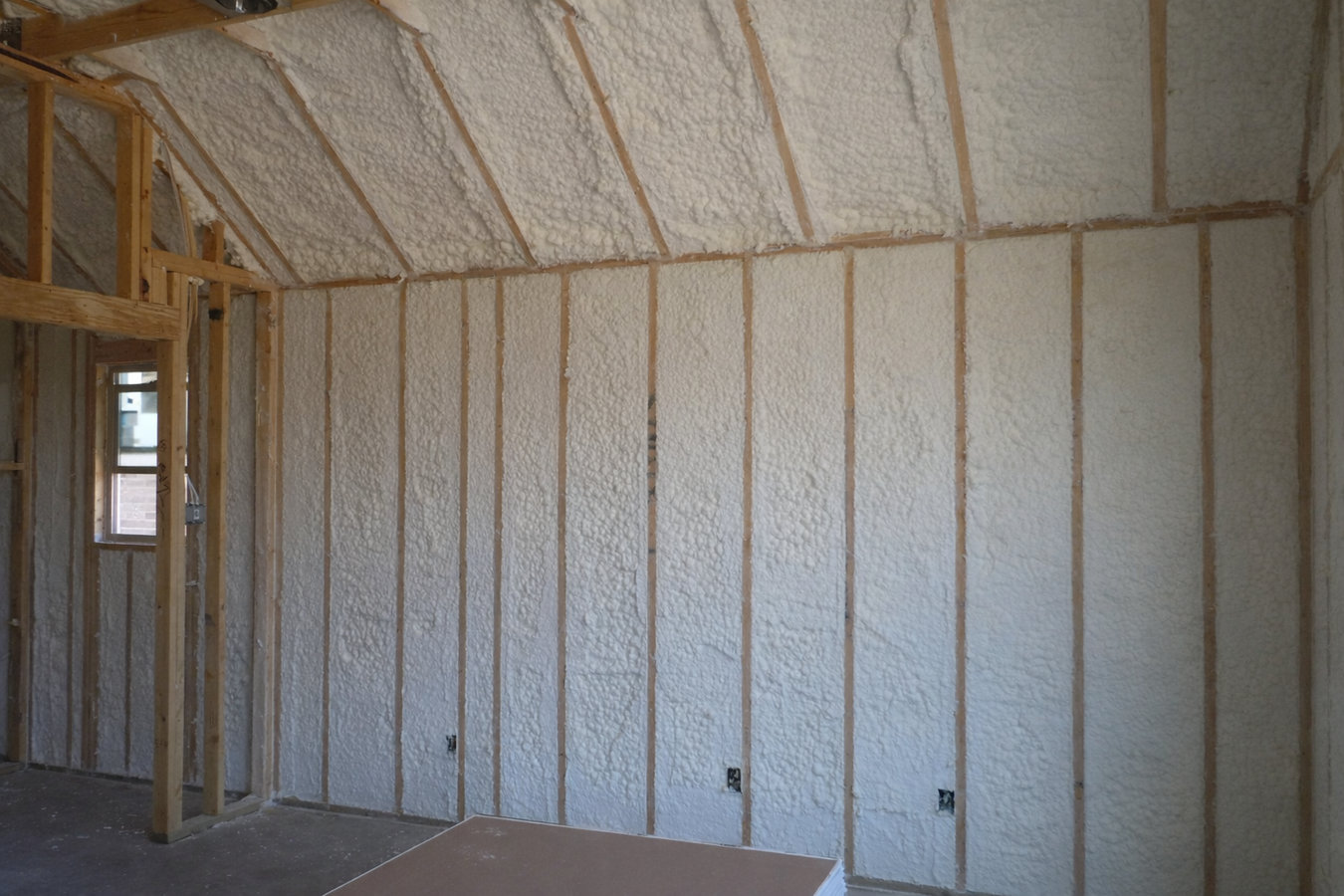
Trenton's pre-1940 row homes sit close to the Delaware River and take on significant moisture pressure from spring flooding and the heavy rains that nor'easters push through the city. Unlike batt or blown-in insulation, closed-cell foam insulation resists moisture while providing a high R-value per inch, making it the most effective option for rim joists, foundation walls, and the tight framing cavities common in Trenton's older construction.
Trenton averages about 22 inches of snow per year with regular freeze-thaw cycles, and ice dams are a common result in older row homes where heat escaping through the attic floor warms the roof deck. Many of Trenton's pre-1940 flat and low-pitched row home roofs have minimal or no attic floor insulation, which drives heat loss in winter and turns upper floors into heat traps in summer. Air sealing the attic bypasses and adding blown-in insulation stops both problems at the source.
Trenton gets about 46 inches of rain per year, and older brick and stone foundation walls throughout the city hold moisture and allow water to seep through, especially in low-lying streets close to the Delaware River or after heavy spring storms. Insulating the rim joist and basement walls with closed-cell spray foam creates a moisture-resistant thermal barrier that reduces the cold at the foundation and helps keep basements and first floors comfortable year-round.
Some of Trenton's older single-family homes, including properties in the Wilbur section and similar residential neighborhoods, have partial crawl spaces rather than full basements. These spaces are particularly vulnerable to moisture buildup from Trenton's wet springs and standing groundwater near the river. Insulating the crawl space walls and floor combined with a vapor barrier stops moisture migration into the framing above.
Trenton's brick row homes were built without air barriers, and gaps around original plumbing, electrical, and framing connections allow conditioned air to escape in both winter and summer. In attached row homes, air can also move laterally through shared wall assemblies. Thorough air sealing before insulation is added captures the full benefit of the upgrade and is standard practice on every job we do in Trenton.
Most of Trenton's housing stock has never had its insulation meaningfully updated since original construction, and the city's high share of multi-family and rental properties means many buildings are carrying insulation systems that are decades past their useful life. Retrofit insulation approaches let us improve thermal performance in occupied buildings without extensive demolition, which matters when work needs to be done around tenants.
Trenton has one of the oldest housing stocks in New Jersey. Census data indicates that the majority of the city's homes were built before 1940, and a large share date to the late 1800s and early 1900s. The dominant housing type is the attached or semi-attached brick row home, built on a narrow urban lot with a flat or low-pitched roof, shared side walls, and original plaster interiors. These homes were constructed long before energy codes existed and have never had wall insulation. Attic insulation, where it exists, has settled and degraded far below current performance standards.
Trenton's climate adds pressure from every direction. Winters bring about 22 inches of snow annually and repeated freeze-thaw cycles that stress foundations and brick mortar. Nor'easters moving up the East Coast deposit heavy snow and ice, and ice dams are a frequent result on older row homes with inadequate attic insulation. The city averages about 46 inches of rain per year, and its proximity to the Delaware River means parts of the city flood regularly, driving moisture into basements and crawl spaces of homes that were never waterproofed. Summers are hot and humid, with July highs near 87 degrees Fahrenheit.
Roughly 60 percent of Trenton's households are renters, which means contractors here regularly work with property managers and landlords, not just owner-occupants. Many buildings are two- and three-family properties converted from single-family row homes, and the work often needs to be scheduled around occupied units. An insulation contractor who is not familiar with Trenton's multi-family stock will underestimate the coordination that comes with a typical job here.
We hold an active New Jersey Home Improvement Contractor registration and coordinate building permits through Trenton's Construction Inspections office when required. New Jersey's building code requirements differ from Pennsylvania's in a few key areas, particularly around vapor retarder requirements and attic ventilation standards, and those differences affect how we approach attic work in Trenton homes.
Trenton is the state capital of New Jersey, and the New Jersey State House sits in the center of the city, surrounded by a dense residential fabric of row homes that extends through Chambersburg, Mill Hill, and the Wilbur section. The city packs about 90,000 residents into roughly 8 square miles, which means narrow streets, limited parking for service vehicles, and homes that sit directly on the sidewalk with no setback. We are familiar with working in these tight conditions and plan our equipment and material delivery accordingly.
Our service corridor runs along the Delaware River valley. We serve homeowners in Wilmington, DE, which sits at the other end of this corridor and shares many of the same pre-war brick row home characteristics as Trenton. Both cities have housing built before modern insulation standards existed, and both see moisture pressure from nearby waterways that makes moisture-resistant foam insulation a particularly practical choice.
Call or fill out the contact form and we reply within one business day. We ask upfront whether the property is a single-family home, a multi-unit building, or a rental, so we can plan accordingly for the on-site visit.
We inspect the attic, basement, and crawl space before providing any price. Trenton row homes vary enough in attic depth, foundation type, and existing insulation that a reliable quote requires seeing the property, not guessing from square footage alone. There is no charge for the assessment.
Most single-unit attic and basement jobs take one day. Multi-family properties take longer, and we work with landlords to schedule around tenants. We seal air bypasses first, then install insulation, and leave the work area clean when we finish.
We walk through the completed work with you before leaving so you can see what changed. Our number stays active if you have questions after the work is done, and we document everything that was done in a written job summary.
We serve all of Trenton and surrounding Mercer County communities. No obligation, no pressure, just an honest look at what your home needs.
(484) 878-3671Trenton is the capital of New Jersey and sits on the eastern bank of the Delaware River, about 30 miles northeast of Philadelphia. The city is best known for the iconic Trenton Makes Bridge over the Delaware, with its illuminated sign reading "Trenton Makes, The World Takes" - a fixture of the city's industrial identity for over a century. The New Jersey State House anchors the downtown, surrounded by dense residential neighborhoods that make up most of the city's roughly 8 square miles.
Trenton's neighborhoods each carry their own character. Chambersburg, known locally as "the Burg," is the city's most recognized neighborhood, historically an Italian immigrant community and now a vibrant Latino neighborhood with restaurants and a strong street life. Mill Hill, listed on the National Register of Historic Places, has restored Victorian and Italianate row homes with original masonry details. The Wilbur section and surrounding residential streets are made up largely of brick row homes built before World War II on narrow urban lots with little yard space.
We also serve homeowners in Easton, PA, which sits just across the Delaware River from New Jersey and shares many of the same older urban housing characteristics as Trenton. Both cities have dense residential neighborhoods built before the mid-20th century, and the homes in both markets benefit from the same combination of attic air sealing, blown-in insulation, and closed-cell foam at the foundation level.
Spray foam creates an airtight seal that stops air leaks and maximizes energy savings.
Learn moreProper attic insulation keeps conditioned air inside and reduces heating and cooling costs.
Learn moreBlown-in insulation fills gaps and hard-to-reach areas for complete, even coverage.
Learn moreSafe removal of old, damaged, or contaminated insulation before new material is installed.
Learn moreInsulating your crawl space reduces moisture, drafts, and heat loss from below your floors.
Learn moreWall insulation reduces outside noise and keeps indoor temperatures stable.
Learn moreAir sealing closes gaps and cracks that let conditioned air escape and drive up energy bills.
Learn moreBasement insulation prevents cold floors, moisture buildup, and energy loss at the foundation.
Learn moreClosed-cell foam provides the highest R-value per inch and acts as a moisture barrier.
Learn moreOpen-cell foam expands to fill every cavity and delivers excellent soundproofing.
Learn moreAttic air sealing blocks the stack effect that pulls warm air out of your home in winter.
Learn moreA vapor barrier keeps ground moisture out of your crawl space and living areas above.
Learn moreProfessional vapor barrier installation protects your home from humidity-related damage.
Learn moreRetrofit insulation adds performance to existing walls and attics without major renovation.
Learn moreCommercial insulation solutions for offices, warehouses, and mixed-use buildings.
Learn moreServing these cities and communities.
Call us today or submit a request online. We serve all of Trenton and respond within one business day.