Loading...
Serving Reading, PA and surrounding areas. (484) 878-3671
If your home was built before 1980 and you have never had an insulation assessment, you are almost certainly losing heat in winter and paying more than you should every month.
Home insulation in Reading, PA covers every part of your house that separates conditioned living space from unconditioned areas or the outdoors - most projects are completed in one to two days and can include the attic, walls, basement, and crawl space depending on what your home needs.
Reading sits in Climate Zone 5, which means the Department of Energy recommends higher R-values for attics and walls than homeowners in warmer states need. A large share of homes here were built before 1960, and many have little or no wall insulation and compressed or damaged attic material. The result is a home that works against you every winter and every humid summer. A thorough whole-home assessment finds where the gaps are, and a proper installation closes them.
If your attic has already been addressed and you are primarily looking to improve walls or other specific areas, our retrofit insulation service is designed for exactly that situation - adding insulation to areas of a finished home without major demolition.
If your gas or electric bill is noticeably higher than it was a few years ago and your utility rates have not changed dramatically, your insulation may be losing effectiveness. In Reading's cold winters, a home losing heat through the attic or walls has to run its furnace much harder to keep up.
When insulation is missing or uneven in certain areas, those spaces become uncomfortable no matter how high you set the thermostat. This is especially common in older Reading homes where insulation was added piecemeal over the decades, or where original wall insulation has settled and left gaps.
Hold your hand near an electrical outlet on an exterior wall on a cold day. If you feel a draft, air is moving through gaps in your insulation and air sealing. This is a very common finding in Reading's pre-1960 housing stock, where walls were often built without any insulation at all.
An attic that gets unbearably hot in July is a sign that insulation is not doing its job. Ice dams forming at the edge of your roof in winter are a classic sign that warm air is escaping through the attic floor. Both are common in Reading's older homes and both point to an insulation problem worth fixing.
Most homes benefit from insulation in more than one area, and addressing them together is more effective than treating them separately. Our whole-home assessment walks through your attic, inspects accessible wall cavities, and checks your basement or crawl space - then we give you a clear picture of where your home is losing the most energy and what the right fix is for each area.
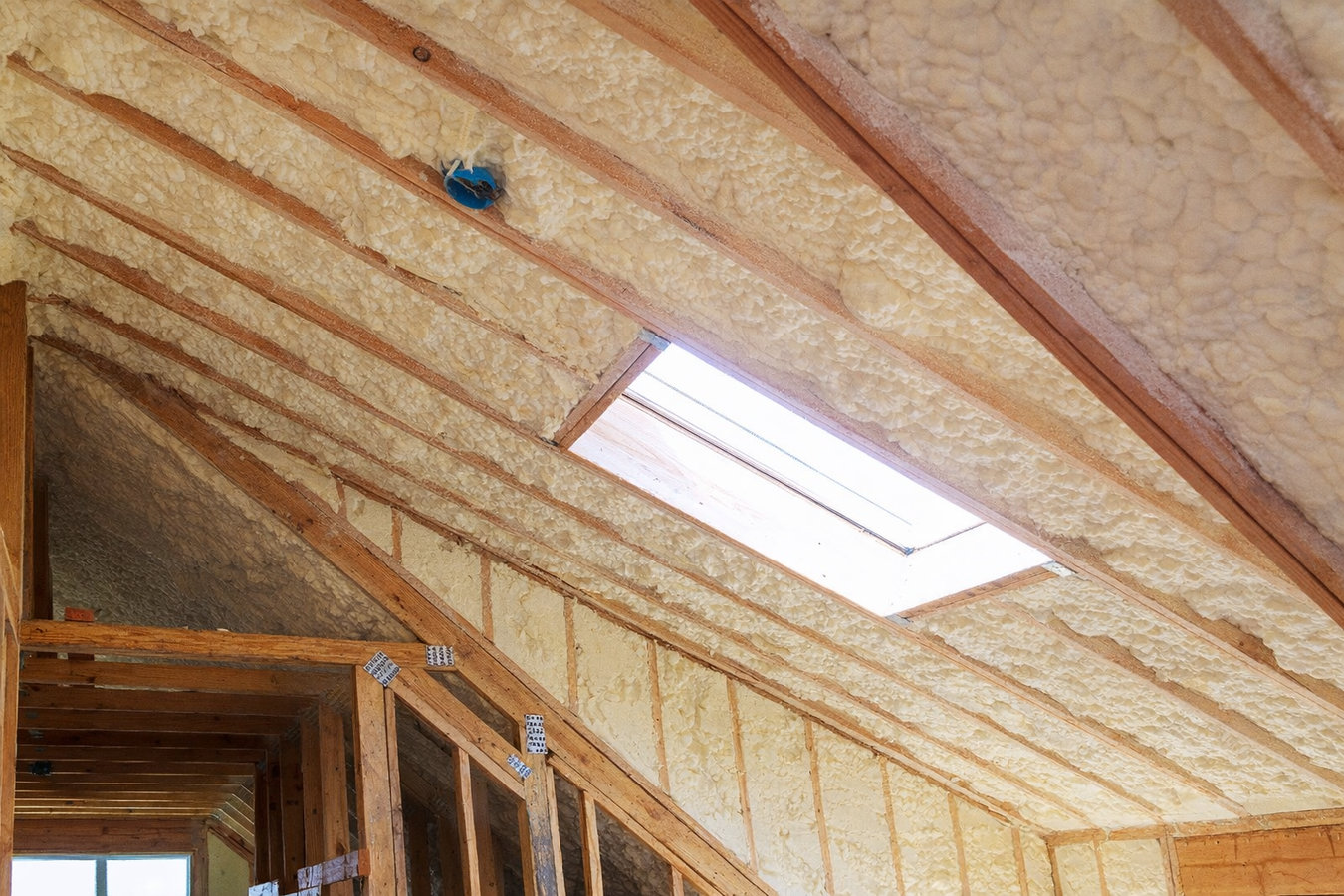
For attics, we typically use blown-in fiberglass or cellulose because the loose-fill material fills every gap and irregular space that older homes create. For walls in finished homes, we use a dense-pack process that adds insulation through small drilled holes, which are then patched cleanly. If old or damaged insulation needs to come out first, our insulation removal service handles that before new material goes in.
For homes that have already had attic work and need insulation added to finished walls without disruption, our retrofit insulation service focuses on exactly that. Every installation includes air sealing at penetrations before insulation is added, because stopping air movement is what makes the material perform.
The highest-impact area in most Reading homes - blown-in material brings older attics up to current standards.
Dense-pack installation for finished walls in row homes, twins, and detached houses with no wall tear-out required.
Insulating below the living space stops cold floors and reduces moisture problems common in Berks County homes.
Sealing gaps around penetrations before any insulation goes in - the step that makes everything else work.
Reading's housing stock is among the oldest in Pennsylvania. The majority of homes in the city were built before 1940, and many date to before 1920. These homes were built before modern insulation standards existed, and whatever has been added over the decades is often compressed, water-damaged, or simply not enough for today's energy costs. Reading is also in Climate Zone 5, which means the Department of Energy recommends higher attic and wall R-values than warmer regions need - a contractor from outside the area may install to a lower standard without realizing the difference.
The city's row homes and twin houses present a specific challenge. Shared walls and narrow access points make insulation work more complex than in a detached home, and a crew without experience in attached housing can cause unnecessary damage. We work regularly in Reading's denser neighborhoods and know how to handle these layouts.
We serve the full Reading area and surrounding communities. Homeowners in Pottstown, Lancaster, and Allentown face similar housing stock conditions and can expect the same level of local knowledge on every job.
We respond within 1 business day. We will ask a few basic questions - home age, type, and what prompted you to reach out - so we arrive at the assessment already knowing what to look for. No pressure, no obligation.
We walk through your home with you, check the attic, inspect accessible wall cavities, and look at your basement or crawl space. This is what separates a real assessment from a contractor who just wants to sell you a job. The estimate we give you is based on what we actually found.
You receive a written estimate explaining what we recommend, what materials we will use, and the total cost. If your project requires a permit from the City of Reading, we note that here and handle the filing - you should not have to figure out permit requirements yourself.
On the day of work, we protect your floors and home, complete the installation, and do a final walkthrough with you before we leave. We provide documentation of what was installed so you have records for utility rebate claims and future reference.
We respond within 1 business day. No obligation, no sales pressure - just a clear assessment of what your home needs and what it will cost.
(484) 878-3671Pennsylvania requires home improvement contractors to register with the state. Our HIC registration gives you legal protections - including recourse if something goes wrong - that you do not have with an unregistered contractor. You can verify registration at the PA Office of Attorney General. PA Office of Attorney General.
We work regularly in Reading's row home and twin house neighborhoods and know how to insulate attached homes without causing damage. A contractor who has only worked on detached houses will not know the difference until something goes wrong.
If your project requires a permit through the City of Reading's Bureau of Codes Administration and Inspections, we handle the filing. Unpermitted work can create problems when you sell your home or make an insurance claim - we make sure that does not happen.
PPL Electric and PECO both serve Reading-area homes and both offer rebate programs for qualifying insulation work. We check current availability for your address before finalizing your project and provide the documentation you need to submit your claim. ENERGY STAR federal tax credits.
We are a local contractor serving Reading and the surrounding area. We walk through your home before quoting anything, explain what we found, and only recommend what your home actually needs. If the answer is nothing right now, we will tell you that too.
Old, wet, or damaged insulation needs to come out before new material goes in - we handle removal cleanly and safely.
Learn moreAdding insulation to finished walls and other areas of an existing home without major demolition or disruption.
Learn moreWe are scheduling estimates now - call or submit a request today and we will come to your home, assess what you actually need, and give you a clear written price.