
Loading...
Serving Reading, PA and surrounding areas. (484) 878-3671
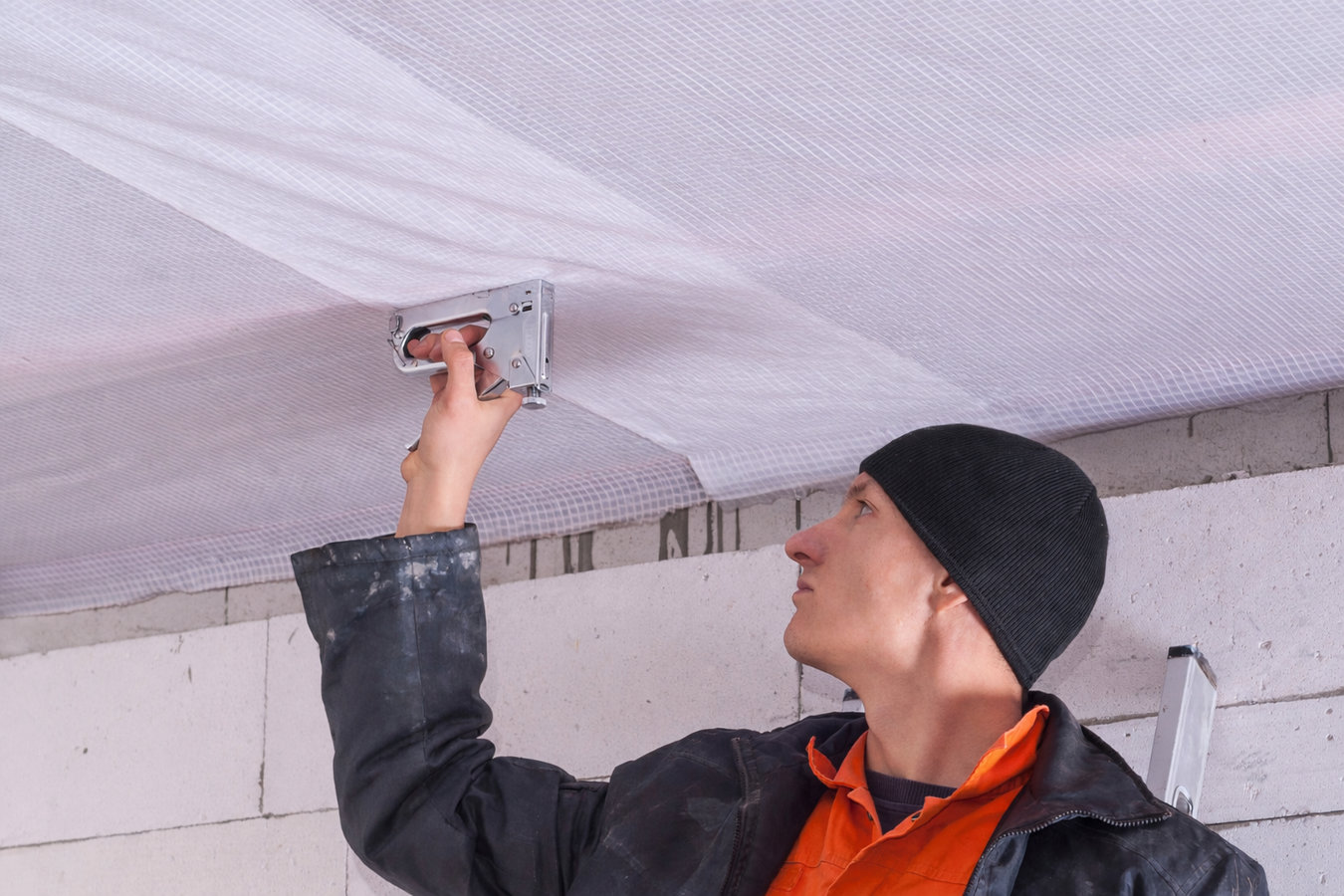
Unprotected crawl spaces in Reading's older homes have been releasing ground moisture into floors and framing for decades. We install vapor barriers that seal that moisture out before it turns into rot, mold, or failing insulation.
Vapor barrier installation in Reading, PA seals the ground and wall moisture pathways that allow dampness to migrate from an unsealed crawl space into your home's structure and living space - most installations are completed in one to two days with no disruption to your living areas.
Reading's river valley geography means the soil throughout much of the city holds more moisture than higher-elevation areas in Berks County. That moisture has an open path into any crawl space without a properly installed barrier. Over time, it weakens floor joists, causes insulation to absorb moisture and lose its effectiveness, and creates the damp conditions where mold takes hold. Many homeowners notice the musty smell first - the structural effects show up later, and they cost far more to fix.
Vapor barrier work is often most effective when paired with other moisture and thermal improvements. We frequently install barriers alongside crawl space vapor barrier sealing to address both the floor and wall moisture pathways at the same time, giving older homes a complete solution rather than a partial one.
A damp, earthy smell that is strongest in late winter and early spring is one of the most consistent signs of ground moisture rising through an unsealed crawl space. In Reading's river valley, freeze-thaw cycles push soil moisture upward during this season with particular force. The smell is not just unpleasant - it is a sign that moisture is actively cycling through your home's structure every year.
Floor joists that have absorbed moisture over years begin to soften and deflect. If certain spots on your first floor feel slightly bouncy, dip underfoot, or seem uneven compared to the rest of the floor, moisture damage to the framing below is a likely cause. This is one of the most common findings in Reading homes built before the 1960s that have never had crawl space moisture protection.
When ground moisture rises from the crawl space into the living area, it raises indoor humidity throughout the home. You may notice condensation forming on windows, water droplets on cold pipes in the lower level, or a general feeling of dampness even after dry weather. This is a sign the moisture problem has already moved beyond the crawl space itself.
White, chalky deposits on concrete or block foundation walls - called efflorescence - are left behind when water moves through the wall material and evaporates. Dark staining or visible mold on wood framing in the crawl space is a more serious version of the same signal. Both are common in Reading's older homes with stone or block foundations and indicate that moisture control is overdue.
We install heavy-duty polyethylene barrier material across the full floor area of your crawl space, with all seams properly overlapped and sealed using moisture-rated tape. The material runs up the foundation walls and is mechanically secured at the top - not left loose, not taped with household products, and not stopping short of the perimeter where moisture most commonly finds its way back in. That edge work is where most installations underperform, and it is where we focus the most attention.
Many Reading homes have stone or concrete block foundations that allow moisture to enter through the walls, not just the floor. When we assess a home like this, we explain the difference in coverage and cost between a floor-only barrier and one that also addresses the walls - and we let you make an informed decision rather than defaulting to the cheaper option without explanation.
For homes where the full crawl space needs to be sealed and conditioned, we also explain the step up to full encapsulation, which includes sealing vents and may include a dehumidifier. This connects naturally to our broader retrofit insulation work, where older homes get the moisture and thermal improvements they were never built with in a single coordinated project.
The Building Science Corporation provides detailed guidance on why sealed crawl spaces outperform vented ones in climates like Reading's - where both humidity and cold are persistent seasonal factors. Their research informs how we approach every crawl space assessment and installation.
The baseline installation for most homes - covers soil floor with sealed seams and wall run-up.
Right for homes with stone or block foundations where moisture enters through walls, not just the ground.
Best for homes with serious ongoing moisture problems or where a conditioned crawl space is the goal.
Needed when old, torn, or contaminated plastic must come out before new barrier material goes in.
Always included - we inspect the crawl space before quoting anything, no exceptions.
A large share of Reading's homes were built before the 1970s, when vapor barriers were not standard in residential construction. That means many crawl spaces in the city have bare soil floors - or old plastic sheeting that has deteriorated to the point where it does very little - and the ground has been releasing moisture into those structures for decades. Homeowners in neighborhoods closer to the Schuylkill River, where ground moisture is particularly persistent, often see the effects more quickly, but elevated soil moisture is a citywide condition in Reading's valley geography.
Reading's winters make this an active problem rather than a theoretical one. The freeze-thaw cycles that repeat throughout every Berks County winter cause the clay-heavy soils to expand, contract, and push moisture upward. Homes that go into winter with an unsealed crawl space typically emerge in spring with more moisture damage than they had in the fall. Installing before the ground saturates in autumn gives the crawl space the best chance to dry out before the next cold season begins.
We serve Reading and the surrounding service area, including homeowners in Lancaster, Easton, and Harrisburg - all of which share Reading's combination of older housing stock, persistent seasonal moisture, and homes that were built before modern vapor control was standard practice.
Reach out by phone or through the contact form and we will respond within one business day. We will ask about the age of your home, any moisture or odor issues you have noticed, and whether anyone has recently been in the crawl space - so we can come prepared for the assessment.
We physically enter the crawl space and spend 20 to 45 minutes evaluating the soil, the clearance height, any existing material, moisture level, foundation wall type, and signs of pest or structural damage. This is how we find the things that change the scope - and how we make sure we are recommending what your home needs, not what is most profitable.
After the assessment you receive a written quote broken down by material thickness, labor, and any prep work needed. We specify the barrier product, the seam and edge method, and whether wall coverage is included. Nothing is verbal, nothing is implied - you know exactly what you are agreeing to before any work begins.
The crew arrives, removes any old material, lays the new barrier from the far end toward the exit, tapes every seam, and secures the edges to the foundation walls. Most jobs are done in one to two days. Before we leave, you see the finished work - in person or through photos - so you are not left wondering what was actually done under your house.
Free on-site assessment. Written estimate. No obligation. We respond within one business day.
(484) 878-3671Every estimate starts with a physical inspection of your crawl space - no exceptions. That 20 to 45 minutes is how we find out what your home actually needs and avoid the surprises that show up when contractors skip this step. Reading's older homes with stone foundations and low clearance are exactly the kind that require eyes-on assessment rather than a square-footage quote over the phone.
Pennsylvania's Home Improvement Consumer Protection Act requires residential contractors to register with the state. That registration gives you specific legal rights - including the right to a written contract - and means you have recourse if something goes wrong. We are registered and you can verify it through the{" "}Pennsylvania Attorney General's office before hiring us.
Stone and block foundations - common throughout Reading's older neighborhoods - present different moisture challenges than poured concrete. Moisture enters through the wall material itself, not just from the ground. We know this from working on these homes, and our installations account for it rather than applying a one-size approach that leaves the wall moisture path open.
We take photos inside the crawl space during and after installation. You receive that documentation before we pack up. If you sell your home in the future, you will have written and photographic evidence of what moisture protection is in place - something buyers and inspectors increasingly ask about in Berks County's older housing market.
Vapor barrier work is the kind of job where it is impossible to tell from inside the house whether it was done right. We solve that problem with documentation and a walkthrough before we leave. Our reputation in Reading depends on every job being done the same way, not just the ones where the homeowner might notice.
Crawl space vapor barrier focuses specifically on sealing the crawl space floor and walls against soil moisture that rises from below.
Learn moreRetrofit insulation adds thermal performance to an existing home without major renovation, often paired with moisture control work.
Learn moreFall is the best time to protect your crawl space before Reading's wet winter season - contact us now before the schedule fills up.