Loading...
Serving Reading, PA and surrounding areas. (484) 878-3671
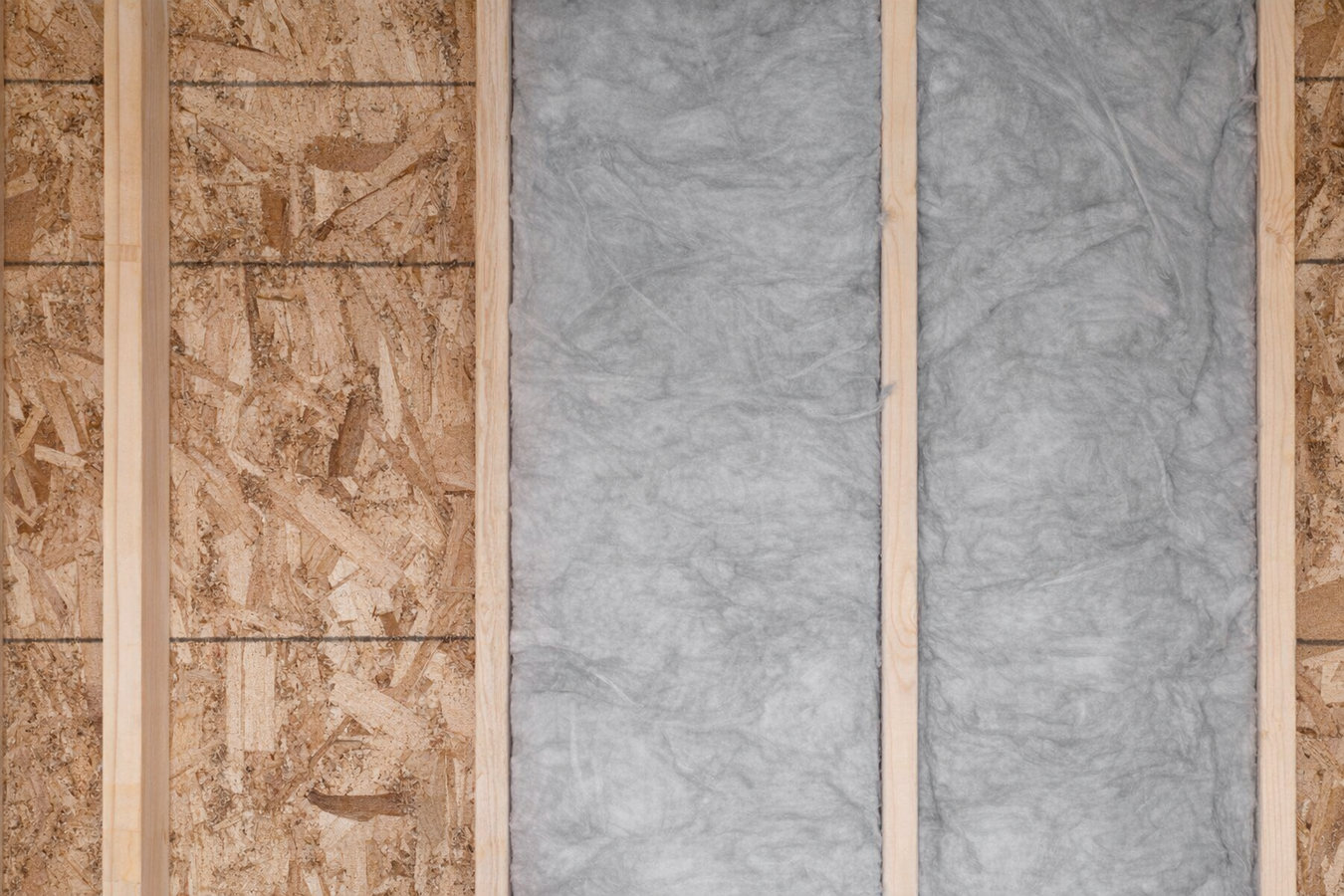
Most older Reading homes have empty wall cavities letting heat out all winter. We fill them with blown-in or spray foam insulation through small access holes, no drywall removal required, in a single day.
Wall insulation in Reading, PA slows the movement of heat through your exterior walls so your home stays warmer in winter and cooler in summer, without your heating or cooling system running constantly. Most projects covering a full two-story home are completed in a single day. A large share of Reading's residential neighborhoods, including Hampden Heights, Millmont, and the West Reading corridor, were built between the 1880s and the 1950s, a period when wall cavities were routinely left empty. If your home was built before 1960 and has never had insulation work done, there is a good chance nothing is in those walls right now. If you are also concerned about air moving through gaps around outlets and framing, our air sealing services address that side of the problem directly.
The good news is that wall insulation can be added to most existing homes without tearing out drywall. A crew drills small access holes, fills each cavity, and patches the holes before leaving. Your home looks essentially the same when the job is done.
Reading winters are long, with January temperatures regularly dropping into the mid-20s. Every uninsulated wall cavity is a direct path for heat to leave your home. Upgrading wall insulation is one of the most direct ways to reduce that loss during the months that matter most.
If your energy bill jumps sharply during Reading's coldest months, your walls may be letting heat escape faster than your furnace can replace it. Homes built before 1960, which make up a large portion of Reading's housing stock, are especially prone to this because they were constructed without any wall insulation. If neighbors in similar-sized homes pay noticeably less to heat their houses, poor wall insulation is often the reason.
If one or two rooms always feel colder than the rest of your home, especially rooms on exterior walls or above a garage, that is a strong sign those walls have little or no insulation. You may also feel a slight chill when standing near an exterior wall even when the room feels warm. This is heat radiating out through an uninsulated wall surface.
Remove the cover plate from an electrical outlet on an exterior wall and hold your hand near the opening. If you feel cold air moving in, your wall cavity is connected to the outside. This is a common finding in older Reading rowhouses and twin homes where the original construction left gaps around framing and utility penetrations.
When warm indoor air meets a very cold, uninsulated wall surface, moisture can condense or even freeze during Reading's coldest stretches. If you see water droplets, frost, or persistent damp spots on interior walls in winter, your walls are not providing enough of a thermal barrier. Left unaddressed, this moisture can cause mold or damage to the wall structure.
We install blown-in and spray foam wall insulation in existing homes across the Reading area, filling empty or under-insulated wall cavities without opening up the walls. The most common method for Reading's older housing stock is dense-pack blown-in insulation, where the crew drills small access holes in either the interior drywall or the exterior siding, fills each cavity from top to bottom, and patches all holes before leaving. For homes with specific moisture concerns or where a tighter air seal is the primary goal, spray foam may be the better approach. We also offer blown-in insulation for attics and other open areas where loose-fill material is better suited than wall-cavity installation.
Before any insulation goes in, we check for moisture inside the wall cavities. Trapping moisture in a wall that has had a past leak is one of the few conditions that can cause problems down the road, and a good contractor will flag that before starting. We also check for signs of knob-and-tube wiring in homes built before the 1940s, since covering that type of wiring without an electrician's clearance creates a hazard.
After installation, insulation slows heat transfer through walls for the life of the home. Most homeowners notice a change in room-to-room comfort within the first heating or cooling season. For homeowners whose bills continue to run high after wall insulation, pairing the work with our air sealing services closes any remaining gaps that let air bypass the insulation entirely.
Best for homes where the wall cavities are accessible from small holes in drywall or siding without full wall removal.
Right for situations where both air sealing and insulation need to be addressed in the same step, especially in renovation openings.
Suited for homes where drilling from outside through siding or stucco causes less disruption than interior access.
For homeowners who want to confirm every cavity was reached, we offer a post-installation thermal camera check.
Reading sits in a humid continental climate zone, with average January temperatures in the mid-20s and a heating season that runs from October through April. Walls with little or no insulation lose heat fast in those conditions, which means your furnace runs almost constantly. A large share of the city's residential neighborhoods were built between the 1880s and the 1950s, an era when wall insulation simply was not part of residential construction. If your home was built before 1960 and has never had insulation added, the walls are very likely empty cavities, and the energy loss is significant. Pennsylvania follows the International Energy Conservation Code for new construction and major renovations, but existing homes that are not undergoing a permitted renovation are not automatically required to be upgraded. The decision is yours, but many Reading homeowners find the payback period is shorter than they expect.
The city's brick and stone construction creates a specific consideration. Many older homes in Reading have masonry exterior walls, and the cavity between the inner wythe and the outer wythe is smaller than in wood-frame construction. A contractor who regularly works in Reading knows how to navigate masonry walls differently than a wood-frame house, and that familiarity matters for getting a complete fill. Homes in Pottstown and Norristown share similar older housing stock and present the same challenges.
PPL Electric Utilities serves the Reading area and currently offers rebates for qualifying insulation upgrades in existing homes. These programs are administered through Pennsylvania's Act 129 energy efficiency requirements and can meaningfully reduce your out-of-pocket cost. We can also help homeowners in Lancaster and surrounding communities understand which rebate programs apply to their projects.
When you reach out, we ask about your home's age, size, and the rooms giving you trouble. Most Reading-area jobs can be scheduled within a few days. There is no charge for the assessment and no obligation to book.
We walk your exterior walls, check what is already inside your wall cavities with a probe or thermal camera, and look for any moisture issues that should be addressed before insulation goes in. You receive a written estimate before we ask for any commitment.
The crew drills small access holes in the drywall or exterior siding, fills each wall cavity from the top down, and patches all holes before leaving. Most homeowners stay in their homes during the work. Patches are ready to paint within 24 hours.
Before the crew leaves, a lead installer walks the completed work with you and confirms every wall section was addressed. You receive a written summary of what was installed and where, which is useful if you later apply for a utility rebate.
Free on-site assessment. Written quote before any commitment. No obligation.
(484) 878-3671We provide a free written estimate before any work begins and document the materials and coverage installed on every job. You get clear scope and pricing up front, with no pressure to sign on the spot.
We work in Reading's older neighborhoods regularly. Pre-war framing, brick and stucco exteriors, and tight wall access are not surprises to us. We come prepared for the construction quirks that come with homes built before 1950.
We are familiar with PPL Electric's current rebate programs for insulation upgrades. We walk you through what you qualify for before any work begins, so you are not leaving money on the table after the job is done.
We respond to every inquiry within 1 business day. Most jobs in Berks County and surrounding areas can be scheduled within the same week. You will not be waiting weeks to hear back from us.
We work in Reading's older neighborhoods every week, and we have built a process specifically around the housing types you find here. The combination of local knowledge, written estimates, and a 1-business-day response means you get a straight answer and a fair price, not a runaround. You can learn more about working with a registered Pennsylvania contractor at the PA Attorney General's HIC registration page.
For energy code guidance for existing Pennsylvania homes, the U.S. Department of Energy Insulation guide explains how R-values are applied in different climate zones.
Close the gaps around pipes, outlets, and framing that let conditioned air escape past your insulation.
Learn moreLoose-fill blown insulation suited for attics and wall cavities in homes where access is limited.
Learn moreReading winters don't wait. Lock in your installation date now and feel the difference before the next heating season starts.