Loading...
Serving Reading, PA and surrounding areas. (484) 878-3671
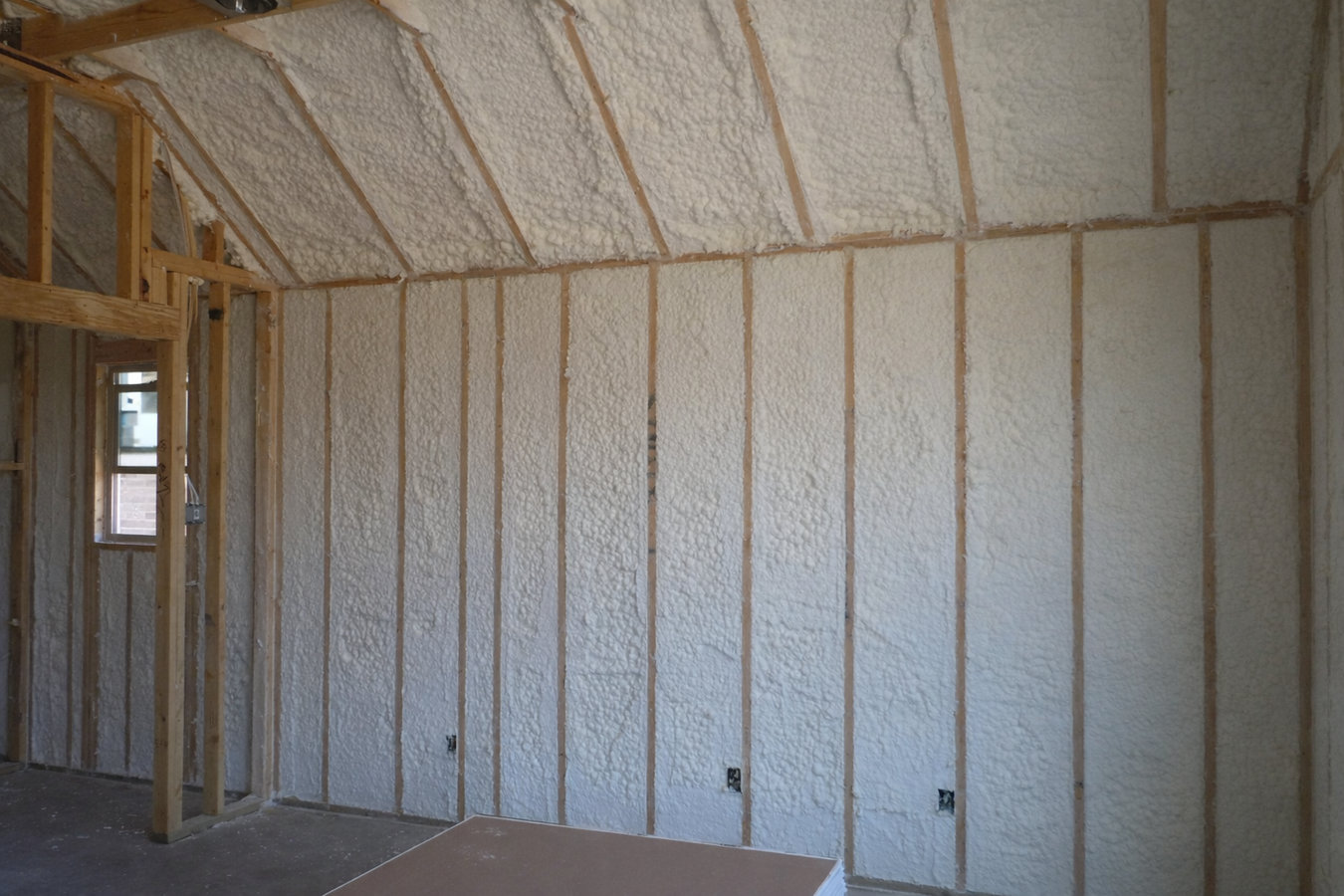
Reading homes lose heat through rim joists, crawl spaces, and attic gaps that standard insulation cannot seal. Closed-cell foam fixes both the insulation and the air leaks in a single pass.
Closed-cell foam insulation in Reading, PA expands when applied and hardens into a rigid, dense layer that seals air gaps and resists moisture while insulating, most residential jobs take one to two days to complete. Unlike fiberglass batts, which slow heat transfer but leave air pathways open, closed-cell foam closes the gaps completely. This is why it tends to outperform other materials in older homes where the structure has settled, shifted, and developed dozens of small openings over decades. If you are also considering other spray foam options, open-cell foam insulation is a lighter, lower-cost alternative suited to interior applications where moisture resistance is less critical.
Reading sits in a climate that creates a two-season problem for older homes. Winters bring genuinely cold temperatures, with January lows regularly dropping into the mid-20s Fahrenheit, and summers bring humid air that pushes moisture into any space that is not sealed. Closed-cell foam addresses both challenges at once, which is why it is a strong fit for homes throughout this part of Berks County rather than a fix for one season at a time.
The most common applications in Reading homes are the rim joist along the basement ceiling, crawl space walls and floors, and attics in older row homes where air bypasses are plentiful and the spaces are difficult to treat with traditional insulation. These are the areas with the highest return on investment in terms of comfort and energy savings.
If your gas or electric bill jumps when Reading's coldest months arrive, even at a moderate thermostat setting, conditioned air is escaping somewhere. The most common culprits in older Reading homes are uninsulated rim joists along the basement ceiling, gaps around pipes and wires where they pass through floors, and attic hatches that have never been sealed. Closed-cell foam addresses all of these in a single step.
Stand near the top of your basement walls in January and hold your hand near the rim joist, the band of wood that sits on top of your foundation. If you feel a draft, that area is uninsulated or has gaps. This is one of the most common and fixable energy problems in Reading's older housing stock, and closed-cell foam is one of the most effective solutions because it seals and insulates simultaneously.
If your upstairs bedrooms are stuffy in summer and cold in winter regardless of how hard your HVAC system runs, the attic above them is likely under-insulated or has significant air leakage. The same problem affects rooms built over an attached garage. In both cases, the floor or ceiling between the living space and the unconditioned zone is the primary path for heat movement.
Reading's humid summers push moisture into any space that is not properly sealed. If you have seen water stains, felt dampness on walls, or noticed a musty odor from your basement or crawl space, that moisture is likely moving through gaps that also allow air to escape. Closed-cell foam applied to crawl space walls and the rim joist can substantially reduce this moisture intrusion.
We apply closed-cell spray foam to rim joists, crawl spaces, basement walls, attics, and garage ceilings throughout the Reading area. Every application includes a thickness check using a depth probe during the job, not after the fact. We review the results with you before we leave so you know the coverage is consistent across every surface we treated. For homeowners who want to compare the two foam types before deciding, open-cell foam insulation is the softer, more breathable alternative, and we install both depending on the application.
Closed-cell foam is particularly well matched to Reading's older housing stock because it conforms to irregular surfaces like stone and brick foundation walls, adds structural stiffness to the areas it covers, and creates a continuous air and moisture barrier rather than a patchwork of separate products. The rim joist is the single most impactful area in most older homes, and it is where we typically start. From there, we work through any additional zones in the scope: crawl space walls, attic bypasses, areas around penetrations where pipes and wires pass through floors. For a broader view of all spray foam options, our spray foam insulation page covers the full range of applications.
If your home was built before 1960 and has knob-and-tube wiring still in place, we flag that during the assessment. Certain areas cannot be covered with foam until the wiring is addressed, and we raise that concern before we price the job so there are no surprises on installation day.
Best for any homeowner whose basement or crawl space loses heat at the top of the foundation wall, which describes most older Reading homes.
Right for homes with open or vented crawl spaces that allow cold air, moisture, and pests to enter the structure from below.
For older row homes and cape-style houses where air moves freely through the attic floor and around knee walls, undermining any insulation added on top.
Suited to rooms above attached garages that are consistently uncomfortable year-round regardless of how the HVAC system is set.
Reading and the surrounding Berks County neighborhoods, including Hampden Heights, Millmont, and the rowhouse blocks throughout the older sections of the city, are made up largely of homes built before 1960. These homes were not built with modern air-sealing standards in mind. Many have rim joists, crawl spaces, and attic hatches that have never been insulated at all. That gap between what the home has and what it needs is precisely where closed-cell foam delivers its biggest return, because the potential energy savings in these homes are often higher than in newer suburbs where some air sealing was done at construction.
PPL Electric Utilities serves much of the Reading area and has historically offered rebate programs for qualifying insulation improvements. Federal tax credits for energy efficiency upgrades under the Inflation Reduction Act are also currently available to homeowners who meet the requirements. These programs can meaningfully reduce what you pay out of pocket. We help you document the project correctly to support a rebate or tax credit claim, and we walk you through what you qualify for before we schedule the work, not after the job is already done.
We serve homeowners throughout Reading and across our service area. Residents of Easton, Bethlehem, and Allentown face the same older housing stock and the same climate conditions as Reading. Our crews cover those areas on the same schedule, and we apply the same assessment process and product standards on every job regardless of address.
When you reach out, we ask about the area you want insulated, how old the house is, and what specific problems you have noticed. We schedule an on-site visit rather than quote over the phone, because access conditions in older Reading homes vary too much to price accurately without seeing them. Most inquiries are answered within 1 business day.
We walk through the area to be insulated, take measurements, note any obstacles or wiring conditions, and check for moisture. You receive a written estimate that specifies the area to be covered, the thickness to be applied, and the total cost. This is also when we confirm whether a permit is required for your project.
If the project requires a permit, we handle pulling it before work begins. Before the crew arrives, you will need to clear the work area of stored items and ensure unobstructed access. We give you a clear checklist so nothing delays the job on installation day.
The crew applies foam directly to the surfaces, verifying thickness as they go. Most residential jobs are completed in a single day. Before leaving, we walk through what was done, confirm your re-entry time, and point out any areas to monitor. Your warranty and documentation are provided before we leave the site.
No phone guesses. We walk through your space, check for wiring concerns and moisture, then give you a written quote with no pressure to commit.
(484) 878-3671We provide a free written estimate before any work begins and document the materials and coverage installed on every job. You get clear scope and pricing up front, with no pressure to sign on the spot.
We use a depth probe to check coverage thickness as we apply the foam and review results with you at the end of the job. You leave with documentation rather than a verbal assurance. If any area is thin, we address it before we pack up.
Row homes in Hampden Heights, twins in Millmont, older detached houses throughout Berks County, we have worked in them all. Tight crawl spaces, low-clearance basements, and knob-and-tube concerns are things we identify and address before the spray gun comes out, not after.
PPL Electric Utilities serves much of the Reading area and has offered rebate programs for qualifying insulation improvements. Federal tax credits for energy efficiency upgrades are also currently available. We walk you through both before work begins so you know what money is on the table.
The Spray Polyurethane Foam Alliance provides the installation standards and training benchmarks we work from on every closed-cell project. Combined with Pennsylvania's statewide Home Improvement Contractor registration requirement, which you can verify through the PA Attorney General's office, and our own depth-verification process, every job we complete is documented, inspectable, and stands behind the numbers we show you on the day of the walkthrough.
A lighter, more flexible foam option suited to interior walls and attics where moisture resistance is less critical.
Learn moreOverview of all spray foam options, including how to choose between open- and closed-cell for your specific project.
Learn moreWe are booking projects now. Before Reading's next cold season hits, lock in your date and start saving on heating costs this winter.