Loading...
Serving Reading, PA and surrounding areas. (484) 878-3671
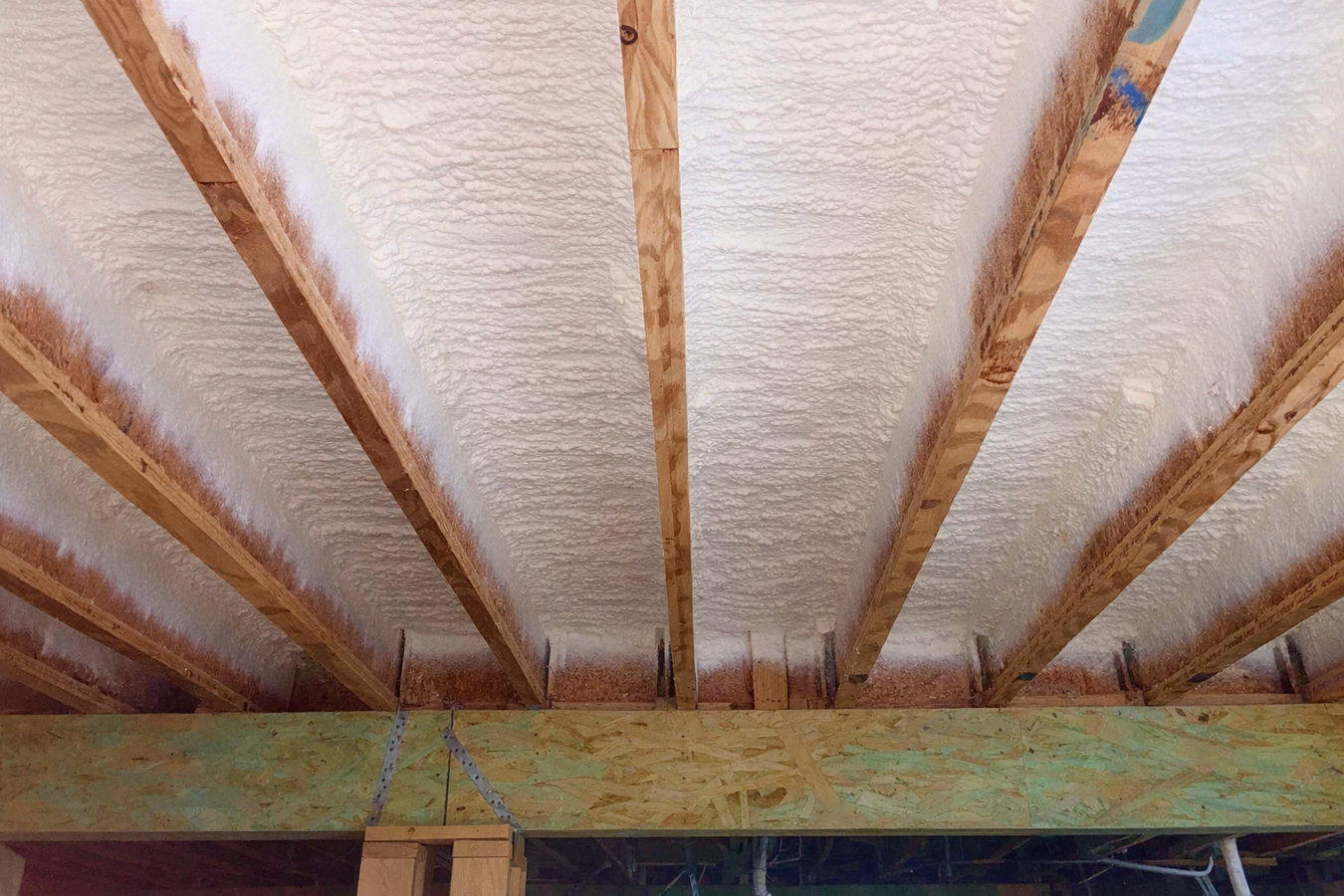
An unprotected crawl space lets cold air and ground moisture move straight into your home. We seal it properly so your floors stay warm, your pipes stay safe, and your heating system stops working overtime.
Crawl space insulation in Reading, PA creates a thermal barrier between the cold ground below and the living floors above - keeping heat in, moisture out, and pipes from freezing - and most jobs are completed in one to two days.
A large share of homes in Reading were built before crawl space insulation was standard practice. Without it, cold air from the ground moves freely under your floors, your heating system compensates by running longer, and pipes in that exposed space are vulnerable every time temperatures drop into the teens. The result is a home that never quite feels as warm as the thermostat says it should.
Crawl space work is also the right time to assess moisture conditions below the floor. Ground moisture that migrates upward through an unprotected crawl space is a leading cause of musty odors, mold growth, and wood rot in older homes. Depending on what we find, we may recommend pairing crawl space insulation with a full crawl space vapor barrier for complete moisture control.
If your kitchen or living room floor feels cold underfoot even with the thermostat set to a comfortable temperature, cold air is moving up from an uninsulated crawl space below. This is especially common in Reading's older homes, where the floor joists were never insulated to begin with. It is one of the most direct physical signs that heat is escaping through the bottom of your house.
If your gas or heating oil costs have climbed over the past few winters and your habits have not changed, a leaky crawl space is one of the first places to look. Reading's heating season runs from roughly October into April, and an uninsulated crawl space forces your system to run longer and harder than it should. Year-over-year utility comparisons can confirm whether this is where the loss is happening.
A persistent earthy or musty odor that seems to come from the lower level of your home often traces back to moisture in the crawl space. In Reading's humid winters, ground moisture moves upward through an unprotected crawl space into your living areas, carrying mold spores and odors with it. If the smell is worse after rain or during damp stretches of weather, the crawl space is very likely the source.
If you have had a pipe freeze in your crawl space - or if a plumber has ever warned you that your pipes are at risk - the crawl space is not adequately protected from cold air. Reading temperatures can stay below freezing for extended stretches in January and February, giving cold air a direct path to your water supply lines. Insulation and air sealing together are the most effective way to protect those pipes.
We install crawl space insulation using two main approaches, chosen based on your home's specific conditions. Floor joist insulation places material between the wooden beams directly under your floor - a practical solution for dry crawl spaces with manageable access. Crawl space encapsulation goes further, sealing the walls and floor of the entire space with a heavy-duty liner and insulating the perimeter walls rather than the joists above. Encapsulation does a better job of controlling moisture, and in Reading's climate, that moisture control is often the difference between insulation that lasts 20 years and insulation that fails in three.
Before any material goes in, we check for existing moisture problems, old insulation that needs to be removed, and air gaps around pipes and rim joists. Pairing this work with wall insulation above creates a complete thermal envelope from the ground up, which is often the most cost-effective way to address comfort and energy loss across the whole house at once.
The U.S. Department of Energy estimates that properly sealing and insulating a crawl space can reduce heating and cooling costs by 10 to 20 percent in many homes. Your actual savings depend on how exposed your crawl space was before and how cold your winters run - and in Reading, winters are genuinely cold.
Suits dry crawl spaces where vapor control is already adequate.
Best for homes with moisture concerns or in lower-elevation neighborhoods prone to groundwater.
Required when existing material is sagging, wet, or contaminated before new work begins.
Pairs with insulation to stop ground moisture from migrating into the home.
Addresses rim joist and pipe penetrations that let cold air into the crawl space.
Reading's older neighborhoods - Hampden Heights, Glenside, and areas bordering West Reading - contain a large share of homes built between the 1920s and 1960s. These homes were almost never built with a proper vapor barrier or crawl space insulation, and whatever was added later may be decades old, sagging, or harboring mold. If your home is more than 40 years old, there is a good chance the crawl space has never been properly addressed.
Parts of Reading near the Schuylkill River and in lower-elevation neighborhoods face seasonal groundwater challenges that make moisture control a priority before insulation is even discussed. We assess drainage conditions as part of every crawl space estimate - not as an afterthought. We serve the full Berks County area, including Pottstown, York, and Lancaster, where similar housing conditions and heating-season lengths create the same payback math for homeowners.
Pennsylvania's building code governs insulation work in Reading and Berks County. Whether a permit is required for your crawl space project depends on scope - full encapsulation typically triggers a review, while simple insulation replacement may not. We determine which category your job falls into and handle the permit process so you do not have to. Penn State Extension's research on Berks County soils confirms the clay-heavy ground conditions that contribute to the drainage challenges many Reading homeowners encounter.
We respond within 1 business day. You will be asked a few basic questions - home age, whether you have had moisture issues, and what you know about the current crawl space condition - so we come to the estimate prepared.
We physically enter the crawl space - not just look at it from the hatch. We check moisture levels, existing insulation condition, air gaps, drainage, and pest signs. You get a written estimate and a clear explanation of what we found before we leave.
The crew removes old material if needed, lays or replaces the vapor barrier, seals air gaps around pipes and joists, and installs the insulation. Most jobs finish in one day; larger or more complex crawl spaces may take two.
Before the crew leaves, we walk you through the completed work - typically with photos from inside the crawl space since most homeowners prefer not to go in themselves. If a permit was pulled, we schedule the required inspection with the city.
We respond within 1 business day and there is no obligation after the estimate. We will assess your crawl space in person, explain what we find, and give you a written price before any work is scheduled.
(484) 878-3671Installing insulation over a damp crawl space is one of the most common contractor mistakes in Reading's lower-elevation neighborhoods. We check moisture conditions at the assessment, not after the job starts - and we will not quote new insulation over a crawl space that needs drainage work first.
Reading's older housing stock - particularly homes built between the 1920s and 1960s - presents specific crawl space challenges: tight access, aged vapor barriers, and ground conditions that vary by neighborhood. We have worked on these homes throughout the county and understand what each job requires.
Pennsylvania's building code applies to crawl space work in Reading and Berks County, and permit requirements vary by scope. We determine whether a permit is needed for your specific project, file the application, and schedule the required inspection - you do not have to navigate that yourself.
Every job starts with a written estimate that spells out exactly what will be done, what materials will be used, and what permits apply. There are no surprise charges after the work is complete. You know what you are getting before you say yes.
Crawl space insulation is one of the highest-impact upgrades you can make in a Reading home built before 1970. The payback comes through lower heating bills, warmer floors, and a crawl space that stops contributing to moisture and odor problems in your living space.
Wall insulation tackles heat loss through exterior walls, complementing the thermal barrier work done below the floor.
Learn moreA properly installed vapor barrier is the first line of defense against ground moisture rising into your crawl space and home.
Learn moreEvery cold month with an unprotected crawl space costs you more on your heating bill - the sooner we assess and address it, the sooner those savings start.