Loading...
Serving Reading, PA and surrounding areas. (484) 878-3671
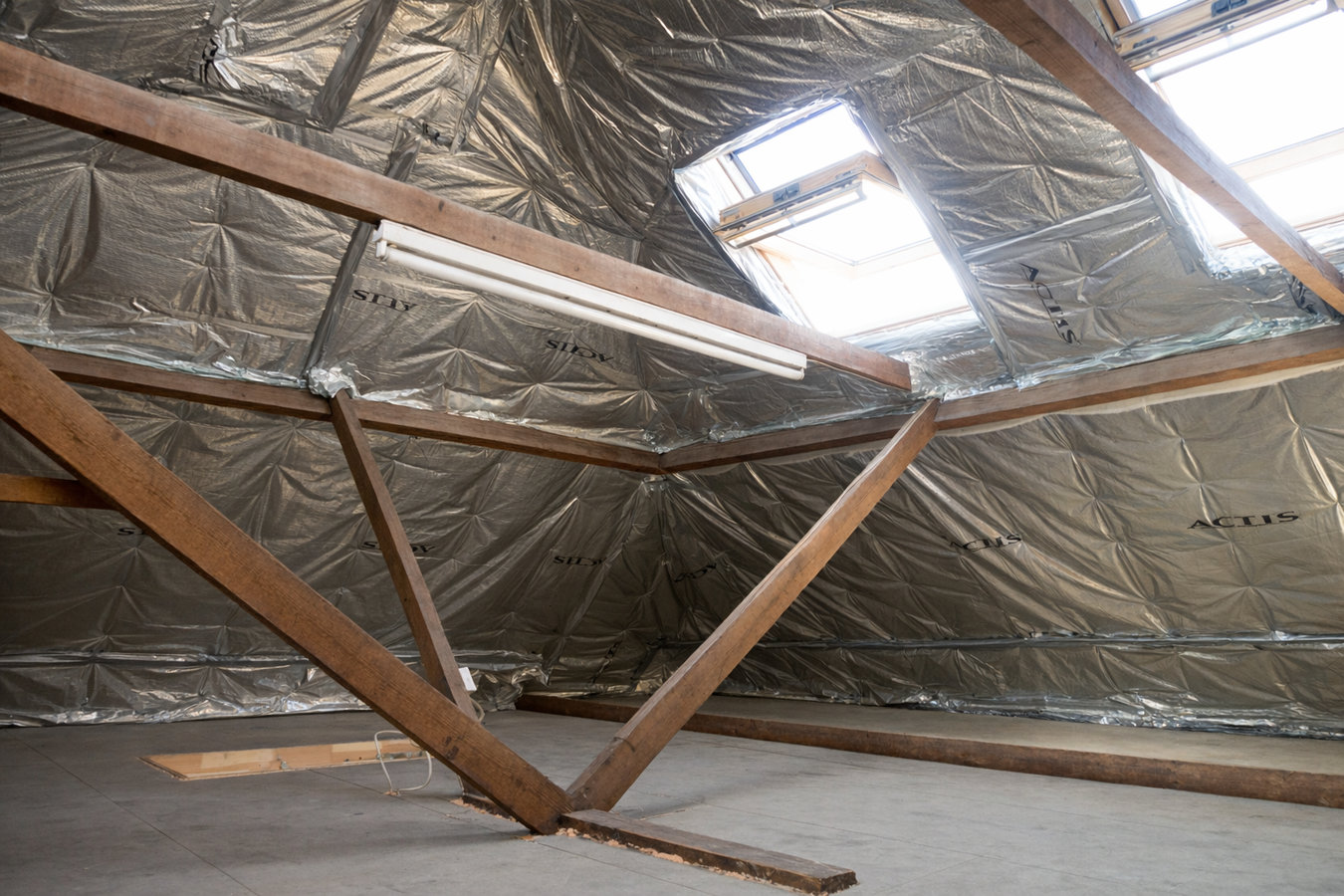
Heat rises - and in an under-insulated attic, it keeps right on going. We install attic insulation sized for Pennsylvania's climate so your furnace stops working overtime and your top-floor rooms finally feel comfortable.
Attic insulation in Reading, PA acts as a thermal barrier between your living space and the outdoors - most jobs for a single-family home complete in two to four hours without requiring you to leave. Without adequate insulation, heat escapes through your ceiling all winter and bakes down from the roof deck all summer, forcing your heating and cooling system to work much harder than necessary. The federal government recommends that Pennsylvania homes have attic insulation equivalent to roughly 13 to 14 inches of blown-in material, and many older Reading homes fall well short of that. If your attic also has gaps around light fixtures, pipes, and other penetrations, pairing insulation with attic air sealing closes those pathways before material is added.
Reading sits in a climate zone where winter temperatures regularly drop into the teens and single digits, putting real pressure on an under-insulated attic. Homes built before the 1980s often have insulation that has settled, compressed, or been disturbed over the decades. If your home is more than 40 years old and you cannot remember any attic work being done, there is a good chance it is doing far less than you think, a conclusion any experienced attic insulation company will confirm after a quick walk-through.
Reading winters are genuinely cold, and if your energy bills jump sharply during the coldest months, your attic is a likely culprit. Heat rises, and if there is not enough insulation up there to slow it down, you are paying to heat the outdoors. Bills that seem high compared to neighbors with similar-sized homes are worth investigating.
If the rooms on your top floor are noticeably colder than the rest of your home even with the heat running, heat is escaping through the ceiling. This is especially common in Reading's older row homes and Cape Cod-style houses where the attic sits directly above the living space.
If you peek into your attic and can clearly see the wooden beams running across the floor, your insulation is almost certainly too thin. Properly insulated attics in this climate should have material that covers those beams completely. This is a quick visual check anyone can do without tools.
Ice dams, those ridges of ice along a roof's edge in winter, are a classic sign that heat is escaping through your attic and melting snow unevenly. Reading gets enough winter precipitation that ice dams are a real concern, and they can force water under your shingles. If you saw them last winter, your attic insulation deserves a close look.
Most attic insulation jobs in the mid-Atlantic region use either blown-in loose-fill material or batt insulation. Blown-in is the preferred choice for existing homes because it fills around joists, rafters, and odd shapes without tearing anything apart. We use a large blowing machine to feed material through a hose and distribute it evenly across your attic floor to the depth your home requires for this climate.
Before any material goes in, we air-seal the gaps around light fixtures, pipes, chimneys, and other openings. Skipping air sealing is one of the most common shortcuts that leaves homeowners with disappointing results because the insulation blanket does not stop moving air. Our blown-in insulation service covers the full process from assessment through installation.
For homes where old or damaged insulation has settled past the point of usefulness, we also handle removal before the new material goes in. You can check the quality of a finished job yourself with a ruler: insulation should cover the attic floor joists completely, with no thin spots near the eaves or around the hatch, and any reputable attic insulation company will show you the depth before they leave.
Best for existing attics with irregular framing or limited access, fills around joists without disruption.
Suited for open attic bays in new construction or fully accessible remodels where precise placement is straightforward.
Right for any home where gaps around penetrations would undercut the thermal benefit of new material.
For attics where settled, damaged, or contaminated material needs to come out before new insulation is added.
Reading has a large share of homes built before 1960, many of which have never had their attic insulation updated. Original materials from that era, if still present at all, have typically settled and degraded to a fraction of their original effectiveness. Homes on the hillside neighborhoods near Mount Penn and the Pagoda deal with additional wind exposure that accelerates heat loss through an under-insulated attic envelope. Whether your home is on a flat block near the river or up on a steep lot, the starting condition of most Reading attics means the improvement potential here is significant.
Humid summers also create a secondary risk. Without proper attic ventilation, summer humidity can build up under the roof deck, damage insulation, and encourage mold growth in the wood structure above your ceiling. We check ventilation before adding material, because insulating a damp attic without addressing the moisture source makes things worse. Homeowners in Bethlehem and Allentown face the same seasonal pattern, and the same thorough approach applies.
PPL Electric Utilities serves most of Reading and offers rebates for qualifying attic insulation upgrades. Federal tax credits are also available for homeowners who improve attic insulation as part of an energy efficiency project. We provide all the documentation you need to take advantage of both before we leave your property.
When you call or submit a request, we ask a few basic questions about your home's age, approximate square footage, and any specific problems you have noticed. We schedule a time to come out and look at the attic in person before giving you a price. The visit typically takes 30 to 45 minutes and costs nothing.
We go up into the attic, measure how much insulation is there, check for any moisture or damage, and look at ventilation. We also identify gaps around light fixtures, pipes, and other openings that let warm air escape. This step is what separates a thorough contractor from one who just shows up and starts blowing material in.
After the assessment you receive a written estimate that explains what we recommend, why, and what it costs. We are happy to answer questions and explain in plain language. Take your time reviewing it. We do not pressure homeowners to sign on the spot.
For most homes, the actual installation takes two to four hours. We air-seal any gaps identified, then blow or lay material to the recommended depth. Before leaving, we show you the finished result and confirm coverage is even. If you are applying for a PPL Electric rebate, we provide the documentation you need before the crew packs up.
We respond within 1 business day. There is no obligation attached to the estimate. After you submit, someone from our office will call to schedule a free on-site assessment at a time that works for you.
(484) 878-3671We provide a free written estimate before any work begins and document the materials and coverage installed on every job. Homeowners get clear scope and pricing up front, with no pressure to sign on the spot.
We work in Reading's century-old row homes and twins every week. Tight access hatches, old blown vermiculite material, and deteriorated original batts are not surprises. We assess the full situation before recommending anything.
PPL Electric Utilities serves most of Reading and offers rebates for qualifying insulation upgrades. We provide the paperwork before we leave so you can submit your rebate without chasing down documentation after the fact.
We respond to every inquiry within 1 business day. Most Berks County jobs can be scheduled within the same week. If you need an assessment before the next cold stretch arrives, contact us now rather than waiting.
We assess before we recommend, we air-seal before we blow material in, and we show you the finished result before we leave. The ENERGY STAR Seal and Insulate program outlines the correct sequence for this type of work, and we follow it on every job. That is the difference between attic insulation that performs for 20 years and a job that leaves you wondering why the bills did not change.
Loose-fill blown-in material fills around joists and irregular shapes without tearing anything apart, ideal for existing attics.
Learn moreClose the gaps around fixtures, pipes, and penetrations before adding insulation so your attic upgrade delivers its full benefit.
Learn moreEvery winter without proper attic insulation is money out of your pocket. Call now or request a free estimate and we will be in touch within 1 business day.