Loading...
Serving Reading, PA and surrounding areas. (484) 878-3671
Reading Insulation serves property owners throughout Harrisburg, PA with commercial insulation, attic insulation, crawl space services, and air sealing for the capital city's aging brick row homes and commercial buildings in Midtown, Uptown, and Allison Hill. Every inquiry receives a reply within one business day.
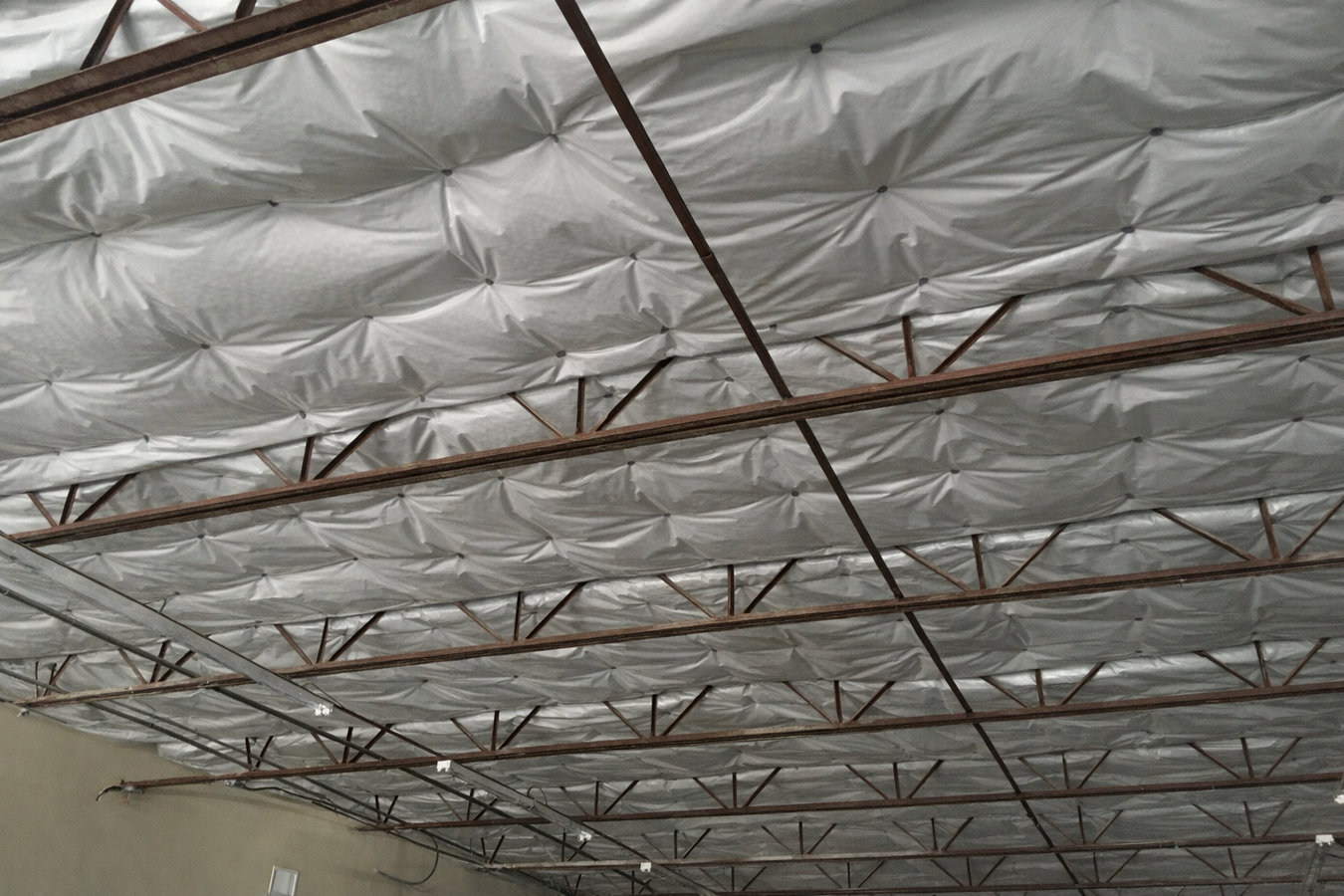
Harrisburg's role as the state capital means the city has a mix of residential row homes and commercial buildings, including older brick storefronts, mixed-use properties, and government-adjacent office buildings. Many of these buildings were constructed before energy codes existed and have never had their insulation systems updated. Commercial insulation in these buildings reduces operating costs, improves occupant comfort, and brings the building closer to current energy standards.
Harrisburg gets about 22 inches of snow annually, and ice dams are a well-known problem on the city's older row homes where the attic floor has little or no insulation. When heat escapes through the attic floor, it warms the roof deck, melts snow, and water refreezes at the cold eaves. Most of Harrisburg's pre-1940 row homes in Midtown and Allison Hill are carrying attic insulation that is inadequate by any modern standard.
Harrisburg's river-valley location and wet spring season create real moisture pressure on older foundations and crawl spaces. Homes in low-lying parts of the city near the Susquehanna are especially prone to seasonal moisture intrusion in crawl spaces and basements. Proper crawl space insulation combined with a vapor barrier controls that moisture before it migrates into the floor framing above.
Harrisburg's brick row homes were built without any air barrier. Gaps around original plumbing penetrations, ceiling light boxes, attic hatches, and old framing connections leak conditioned air in both winter and summer. Sealing those pathways before adding blown-in or spray foam insulation is essential to getting the full benefit from the insulation investment.
Wet basements are a chronic complaint in Harrisburg's older housing stock. Brick and stone foundation walls that have been in place for 80 or more years allow moisture to seep through, especially during heavy spring rains. Insulating the rim joist and foundation walls with closed-cell spray foam creates a moisture-resistant layer and reduces the cold that transfers up into the living floors above.
Spray foam is the most effective solution for Harrisburg's irregular older construction, where framing gaps, masonry penetrations, and awkward access make batt or blown-in installation impractical. Closed-cell spray foam at rim joists and foundation walls is particularly useful in Harrisburg's river-adjacent neighborhoods, where moisture resistance matters as much as thermal performance.
Harrisburg is Pennsylvania's state capital and one of its older cities, with a housing stock dominated by brick row homes built in the late 1800s and early 1900s. Census data shows that the majority of the city's housing units were built before 1960, and a large share were built before 1940. These homes have original brick exteriors, plaster interiors, and foundations made of brick or stone. Very few were built with wall insulation, and attic insulation, if present, has not been meaningfully upgraded in decades.
Harrisburg winters bring about 22 inches of snow annually and regular freeze-thaw cycles throughout the season. Older row homes with poor attic insulation are particularly prone to ice dams, where escaping heat melts roof snow that then refreezes at the eaves and backs water up under shingles. The city's humid summers, with July highs averaging around 87 degrees Fahrenheit, push moisture into crawl spaces and basements that have no vapor control, a condition common throughout Harrisburg's older housing.
Beyond the residential stock, Harrisburg has a significant number of older commercial properties, mixed-use buildings, and government-adjacent structures that predate modern energy codes. The state capital's economic character means a meaningful share of property owners are managing buildings, not just living in them, and they need an insulation contractor who can work on both the residential and commercial side of the Harrisburg market.
We work regularly in Harrisburg and are familiar with the permit process through the City of Harrisburg Bureau of Building and Housing. The row home neighborhoods in Midtown, Uptown, and Allison Hill are the kind of construction we work in regularly: shared party walls, original plaster ceilings, and framing that does not always follow modern dimensions. Every estimate starts with a physical walk-through because the conditions inside these homes rarely match what is expected from the outside.
Harrisburg is easily navigated via I-83 and Route 322, and we serve the full city including neighborhoods near the Pennsylvania State Capitol, City Island, and the Broad Street Market corridor. The surrounding townships, including Camp Hill, Mechanicsburg, Lower Paxton, and Swatara, have postwar ranches and split-levels that are a different job from city row homes but are equally part of the area we cover.
We also serve homeowners in Lebanon, PA, about 25 miles to the east on Route 422, where Lebanon Valley homes face similar pre-war brick construction challenges and limestone-influenced drainage conditions.
Reach us by phone or through the contact form on this site. We respond to every Harrisburg inquiry within one business day and schedule your on-site visit at a time that is convenient for you.
We inspect the attic, crawl space, basement, and any walls in question before writing a price. Harrisburg's older row homes frequently have conditions that only become visible on-site, so no estimate is given without a physical look first.
Our crew handles all the work start to finish. For most Harrisburg attic and crawl space jobs, you do not need to be present throughout the day, though we ask you to be available at the start and for a final walk-through at the end.
Before we leave, we walk through everything that was done so you can see the completed work. Any permits pulled through the City of Harrisburg Bureau of Building and Housing are closed out properly as part of the job.
We serve all of Harrisburg City and the surrounding townships. No cost, no obligation, and we reply within one business day.
(484) 878-3671Harrisburg is the capital of Pennsylvania and home to roughly 50,000 residents, situated on the eastern bank of the Susquehanna River in Dauphin County. The city has been the seat of state government since the Pennsylvania State Capitol was completed in 1906, and government remains the dominant employer in the metro area. The city has a large share of renter-occupied housing by Pennsylvania standards, with a mix of long-term owner-occupants and a rotating population tied to state government employment.
Harrisburg's residential neighborhoods are defined by their row houses. Midtown, just north of the Capitol complex, is known for its Victorian-era brick row homes and mixed-use buildings along corridors like North Third and North Second Streets. Allison Hill, to the southeast, is a denser residential area with a similar brick row home profile. The Broad Street Market in Midtown, one of the oldest continuously operating public markets in the United States, anchors a neighborhood where most of the housing dates to before World War I.
Outside the city, the Harrisburg suburbs in Dauphin and Cumberland Counties have postwar ranches, split-levels, and newer colonials in communities like Camp Hill, Mechanicsburg, and Lower Paxton Township. These homes represent a different insulation profile from the city's row house stock, with larger attic spaces and accessible crawl spaces. We also serve homeowners in nearby York, PA, about 25 miles south along I-83, where the city's older brick rowhouse neighborhoods and county ranch homes present the same insulation challenges that Harrisburg homeowners face.
Spray foam creates an airtight seal that stops air leaks and maximizes energy savings.
Learn moreProper attic insulation keeps conditioned air inside and reduces heating and cooling costs.
Learn moreBlown-in insulation fills gaps and hard-to-reach areas for complete, even coverage.
Learn moreSafe removal of old, damaged, or contaminated insulation before new material is installed.
Learn moreInsulating your crawl space reduces moisture, drafts, and heat loss from below your floors.
Learn moreWall insulation reduces outside noise and keeps indoor temperatures stable.
Learn moreAir sealing closes gaps and cracks that let conditioned air escape and drive up energy bills.
Learn moreBasement insulation prevents cold floors, moisture buildup, and energy loss at the foundation.
Learn moreClosed-cell foam provides the highest R-value per inch and acts as a moisture barrier.
Learn moreOpen-cell foam expands to fill every cavity and delivers excellent soundproofing.
Learn moreAttic air sealing blocks the stack effect that pulls warm air out of your home in winter.
Learn moreA vapor barrier keeps ground moisture out of your crawl space and living areas above.
Learn moreProfessional vapor barrier installation protects your home from humidity-related damage.
Learn moreRetrofit insulation adds performance to existing walls and attics without major renovation.
Learn moreCommercial insulation solutions for offices, warehouses, and mixed-use buildings.
Learn moreServing these cities and communities.
Harrisburg's row homes and older commercial buildings benefit most from insulation upgrades before the heating season begins. Call us or submit an inquiry online and we will respond within one business day.