Loading...
Serving Reading, PA and surrounding areas. (484) 878-3671
Old, wet, or contaminated insulation makes your home harder to heat and harder to live in. We remove it safely, clean up completely, and leave the space ready for fresh insulation that actually works.
Insulation removal in Reading, PA means taking out old, damaged, or contaminated material - from attics, crawl spaces, or walls - before fresh insulation goes in, so your home stops leaking heat. Most attic jobs are completed in a single day.
Adding new insulation on top of old, failing material is one of the most common mistakes homeowners make. If the existing insulation has been compressed, soaked, or colonized by rodents, it cannot hold heat regardless of what goes on top of it. Removal gives you a clean, inspected surface so the replacement actually performs.
Many Reading homes - particularly the row homes and twins built before 1960 - have attics and crawl spaces with decades-old insulation that has never been examined. Once the old material is cleared, it is also the right time to address air leaks before new insulation covers them back up. If your project includes crawl space work, our crawl space insulation service handles the full replacement from ground up.
If your gas or electric bill has crept up over the past few winters and nothing has changed in your habits, your insulation may be failing. Old insulation loses its ability to hold heat over time, especially if it has gotten wet or compressed. In Reading's cold winters, a degraded attic can add hundreds of dollars annually to your heating costs.
Walk through your home on a cold day and notice rooms that feel colder than others, especially on the top floor. If you can feel a draft near the ceiling or around the attic hatch, the insulation above is likely failing. These are signs you can detect without any special equipment.
Many Reading homes in neighborhoods like Centre Park, Callowhill, and along the West Reading border still have their original mid-20th century insulation. Insulation from that era can contain hazardous materials, and even if it does not, it has likely degraded significantly. If it has never been inspected, that alone is reason enough to take a look.
If you have heard scratching in the ceiling, found droppings in the attic, or dealt with a recurring mouse problem, the insulation is almost certainly contaminated. Rodents nest in insulation and leave behind waste that creates odors and health risks. Removing and replacing the affected material is the only complete solution.
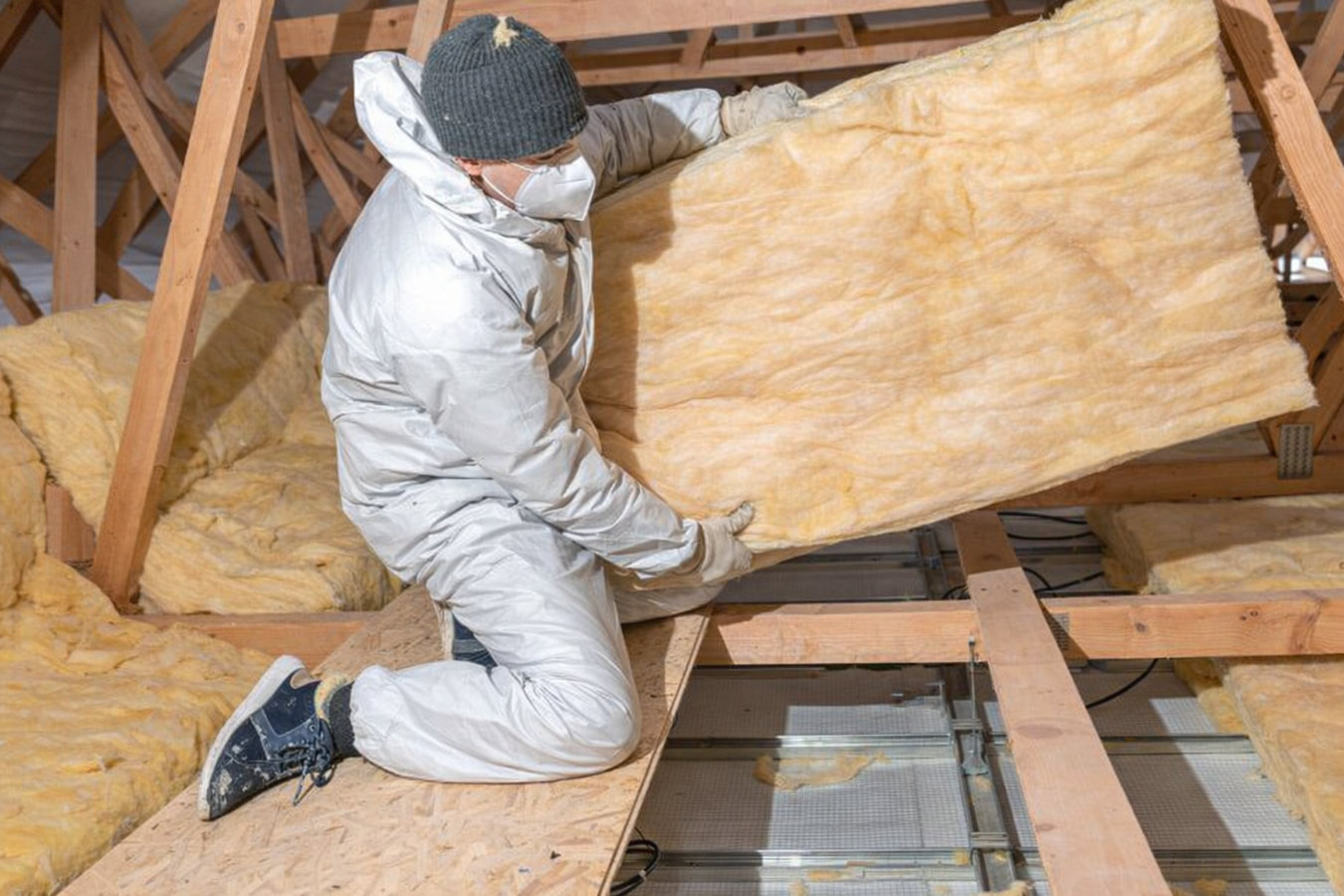
We remove insulation from attics, crawl spaces, and wall cavities across Reading and Berks County. Whether the issue is age, moisture damage, rodent contamination, or materials that require careful handling, our crew works with proper containment equipment - HEPA-filtered vacuums, sealed debris bags, and floor protection - so your living space stays clean throughout the process.
After removal, we inspect the cleared space for air gaps, damaged wood, moisture staining, and pest entry points. This is the best opportunity in your home's life to address those problems - before new material covers everything back up. If retrofit insulation is planned for the walls after attic work is complete, we can coordinate both phases so the project runs in sequence.
For homes built before 1980, we discuss asbestos testing before any work begins. If a sample needs to be sent to a certified lab, we walk you through that step and do not proceed until results are clear. Pennsylvania's home improvement contractor registration requirements apply to this work, and we carry full documentation.
Suits homes with original or degraded blown-in or batt insulation in the attic.
Addresses fallen, wet, or mold-affected insulation below the floor joists.
For rodent-affected or potentially hazardous insulation requiring special disposal.
Supports retrofit insulation projects that need a clean cavity first.
Includes air gap identification and moisture assessment before re-installation.
Reading has one of the oldest housing stocks in Pennsylvania. Row homes and twins built before 1940 - from Hampden Heights to Millmont - were constructed without modern insulation standards, and many still have their original material. That insulation was adequate when it was installed, but decades of freeze-thaw cycles, humidity, and occasional roof leaks have taken a toll. Adding new insulation on top of it simply buries the problem.
Reading winters regularly drop into the teens, and that cold finds every gap in a poorly insulated attic. We work throughout the city and into the surrounding municipalities, including Pottstown, Norristown, and Lancaster, where the same pre-1960 housing challenges exist.
Pennsylvania requires home improvement contractors performing insulation work to be registered with the Pennsylvania Attorney General's office. We are registered, and we are happy to provide that number before any work begins. Berks County's permit process for insulation work depends on scope - we handle that conversation for you so there are no surprises after the job starts.
We respond within 1 business day. You will get a real person who asks a few questions - home age, location of the insulation, any signs of moisture or pests - before scheduling a visit.
We inspect the attic or crawl space in person, check for hazardous materials in older homes, measure the area, and give you a written estimate with no hidden line items before work is scheduled.
The crew lays down floor protection, seals the work area, and uses HEPA-filtered vacuums to pull out the old material. Debris is bagged and removed from your property the same day.
Once the space is clear, we check for air leaks, moisture damage, and pest entry points before new insulation is planned. We walk you through what we found before we leave.
We respond within 1 business day. There is no obligation to proceed after your estimate - it is simply a chance to see the space and give you a clear price. After you submit, someone from our office will call to schedule your free on-site assessment.
(484) 878-3671Pennsylvania's Home Improvement Consumer Protection Act requires contractors performing insulation work to be registered with the state Attorney General's office. We are registered and provide that documentation upfront - before anyone enters your attic or crawl space.
Reading's pre-1940 row homes and twins present specific challenges - tight attic access, potential hazardous materials, and shared walls that complicate containment. We have worked on these homes throughout Berks County and understand their construction in ways a generalist contractor does not.
Poor removal jobs scatter dust and debris through living spaces. Our crew uses HEPA-filtered vacuum systems, floor protection on stairs and hallways, and sealed bags that leave before the crew does. Your home looks the same as when we arrived.
We will not quote new insulation over a space that has an active moisture problem. If we find dampness, rodent contamination, or damaged wood during removal, we tell you before recommending next steps - not after you have paid for materials.
If you are comparing contractors for insulation removal in Reading, ask each one for their state registration number, their containment protocol, and what they do when they find something unexpected in the attic. The answers tell you a great deal about how the job will go.
After removal, proper crawl space insulation keeps cold air and moisture out from below your floors.
Learn moreRetrofit insulation adds thermal performance to existing walls and spaces without a full renovation.
Learn moreOld insulation costs you money every winter - the sooner it comes out, the sooner your home holds heat the way it should.