Loading...
Serving Reading, PA and surrounding areas. (484) 878-3671
Reading Insulation serves Wilmington, DE homeowners with spray foam insulation, attic insulation, crawl space work, and basement insulation built around the specific demands of Delaware's pre-1950 brick rowhouses and north Wilmington single-family homes. Every inquiry receives a reply within one business day.
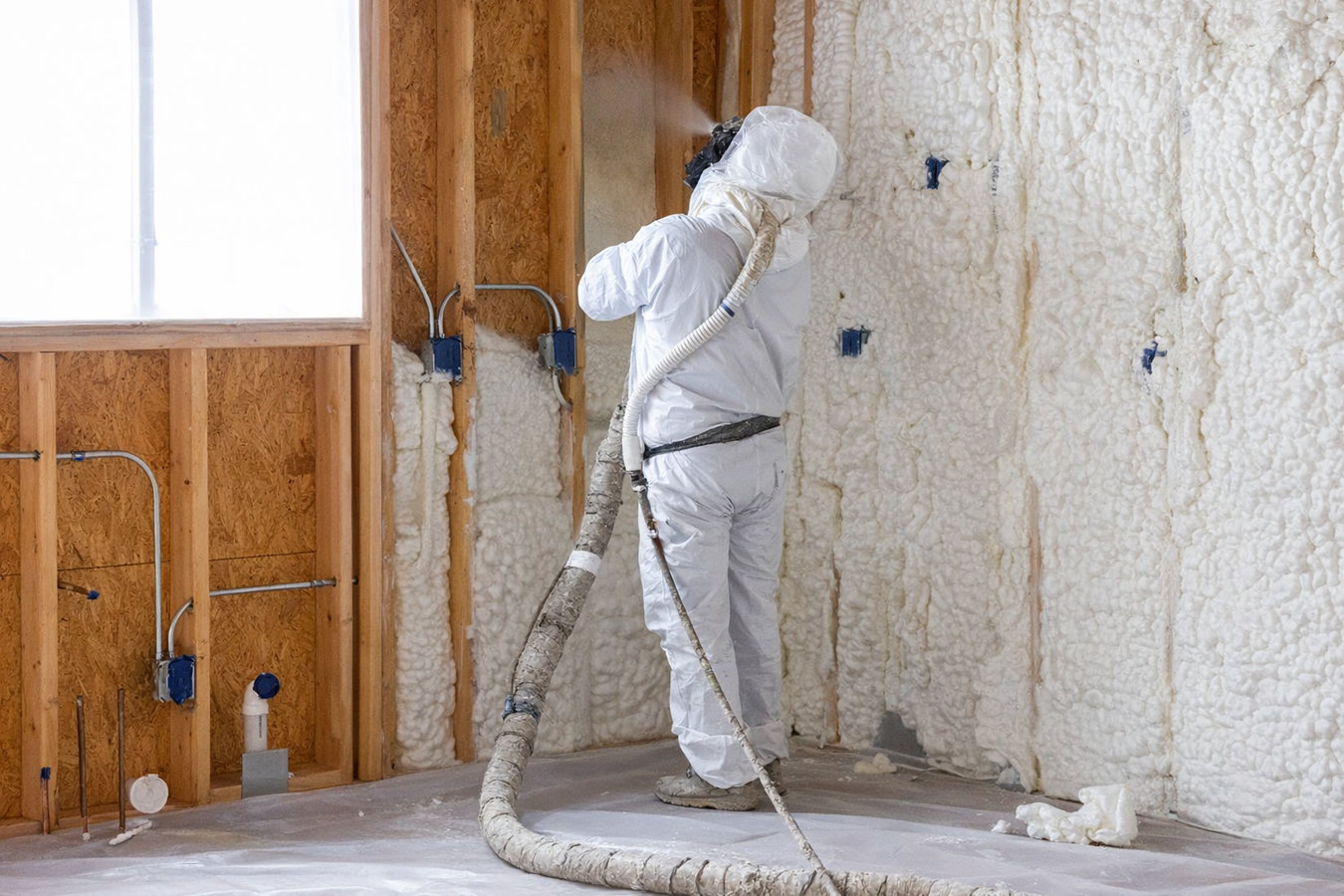
Wilmington's brick rowhouses were built without any air barrier, and the gaps around original plumbing penetrations, framing connections, and chimney chases are often the biggest source of heat loss in the house. Spray foam insulation seals those gaps while insulating at the same time, making it the most efficient option for rim joists, foundation walls, and irregular framing cavities common in Wilmington's older construction.
Wilmington summers reach average July highs around 87 degrees Fahrenheit with high humidity, and attics in older rowhouses without adequate insulation become extreme heat sources that push cooling costs up all season. Winter brings about 20 inches of snow annually with repeated freeze-thaw cycles that drive ice dam formation on homes where attic heat loss warms the roof deck. Adding blown-in insulation to the attic floor addresses both the summer and winter performance problem in one installation.
Homes in Wilmington's lower-lying neighborhoods and those near the Brandywine Creek experience seasonal moisture pressure from above and below, with wet spring soil and periodic creek flooding pushing humidity into crawl spaces. Insulating the crawl space floor and walls and adding a vapor barrier prevents that moisture from migrating into the floor framing and living space above, where it causes musty odors, wood rot, and mold growth.
Wilmington's clay-heavy soil holds water after heavy rain and pushes it against older brick and stone foundation walls that have no modern waterproofing. Insulating the rim joist and basement walls with closed-cell spray foam creates a moisture-resistant thermal layer that reduces cold floors in the living space above and makes the basement itself a more usable part of the home throughout the year.
In Wilmington's attached rowhouses, air can move through gaps in the shared wall framing as well as through the usual attic bypasses around plumbing and electrical penetrations. Comprehensive air sealing before insulation is added is especially important in these homes because unclosed pathways limit how much benefit the insulation can deliver. We seal the attic floor and rim joist areas before any blown-in or spray foam work begins.
Wilmington's wet springs and summer humidity create steady vapor drive into basements and crawl spaces of older homes that were built without any moisture control at the foundation level. A properly installed vapor barrier in the crawl space or on basement walls stops moisture migration before it reaches the framing and insulation above, extending the life of all the materials in that part of the house.
Wilmington is Delaware's largest city and one of its oldest. Census data shows that more than half of the city's housing units were built before 1960, with a large share dating to before World War II. The dominant housing type in the city's core neighborhoods, including the East Side, Hilltop, and Browntown, is the attached brick rowhouse built between the 1880s and 1940s. These homes have brick exteriors, plaster interiors, small lot footprints, and no original wall insulation. North Wilmington, near Brandywine Hills, has more detached single-family homes, primarily Cape Cods and Colonials built in the 1940s through 1970s, which have their own distinct insulation needs.
Wilmington's climate puts year-round pressure on older homes. Winters average around 20 inches of snow with regular freeze-thaw cycles that crack brick mortar and stress foundations. Summers are hot and humid, with July highs around 87 degrees Fahrenheit and high humidity from June through August. The city's clay-heavy soil drains slowly and holds rainwater against foundation walls, creating chronic basement moisture in homes that predate modern waterproofing standards. Neighborhoods near the Brandywine Creek face additional spring flooding risk when the creek rises after heavy rain or snowmelt.
Contractors working in Wilmington need to be familiar with Delaware's contractor licensing requirements, which differ from Pennsylvania's, and with the City of Wilmington's permit process. The mix of rowhouses and single-family homes requires different approaches, and the high share of rental properties means contractors regularly work with property managers as well as owner-occupants.
We coordinate and pull permits through the City of Wilmington's License and Inspections department when required. The pre-1950 brick rowhouses we encounter throughout the East Side and Hilltop require a different approach to attic access and air sealing than the detached homes more common in suburban markets.
Wilmington is a compact city anchored by the Riverfront along the Christina River and by the Amtrak station that connects it to Philadelphia and the Northeast Corridor. Most of the residential work we do is in the dense, walkable neighborhoods within a few miles of downtown, where parking is limited and homes sit close together on small lots. The north Wilmington neighborhoods near Brandywine Creek State Park have more yard space but bring their own challenges, including the moisture that comes with proximity to the creek itself.
We also serve homeowners in Trenton, NJ, which shares many of the same pre-1940 brick row home characteristics as Wilmington and sits at the other end of our service corridor along the Delaware River.
Call us or submit the contact form and we will reply within one business day. We ask a few questions about your home type and the problem you are trying to solve so we can come prepared.
We walk your attic, crawl space, and basement before quoting anything. The estimate you receive is based on what we actually see in your home, not a price-per-square-foot guess, and there is no charge for the assessment.
Most attic and crawl space jobs in Wilmington take one day. We seal air bypasses first, then install insulation, and we clean up the work area before we leave. You do not need to stay home for the full day.
We walk through the completed work with you before we leave so you can see what was done and ask questions. We are available by phone if you notice anything after we are gone.
We serve all of Wilmington and the surrounding Delaware communities. No obligation, no pressure, just a straight assessment of what your home needs.
(484) 878-3671Wilmington is Delaware's largest city, with a population of roughly 70,000 people, and is one of the oldest cities in the state. The city sits along the Christina River and is anchored by the Wilmington Riverfront, a redeveloped stretch of restaurants and entertainment venues along the water. Wilmington is also home to the Hagley Museum and Library, which preserves the original DuPont gunpowder mills along the Brandywine Creek and is one of the most recognized historical landmarks in the region.
The city's residential character divides roughly into two zones. The urban core neighborhoods, including the East Side, Hilltop, and Browntown, are built almost entirely of attached brick rowhouses constructed between the 1880s and 1940s. These homes sit on narrow lots with small backyards and share walls with neighboring units. North Wilmington, including areas near Brandywine Hills, shifts to detached single-family homes on larger lots, primarily Cape Cods and Colonial Revival styles built between the 1940s and 1970s. Both housing types are underinsulated relative to current standards, but the work they need differs significantly.
We also serve nearby markets including Norristown, PA, which shares Wilmington's pattern of dense pre-war rowhouse neighborhoods with similar insulation upgrade needs. Wilmington is directly on Amtrak's Northeast Corridor, about 25 miles southwest of Philadelphia, and its homeowner base includes a significant share of commuters with tight schedules who need contractors who can work efficiently.
Spray foam creates an airtight seal that stops air leaks and maximizes energy savings.
Learn moreProper attic insulation keeps conditioned air inside and reduces heating and cooling costs.
Learn moreBlown-in insulation fills gaps and hard-to-reach areas for complete, even coverage.
Learn moreSafe removal of old, damaged, or contaminated insulation before new material is installed.
Learn moreInsulating your crawl space reduces moisture, drafts, and heat loss from below your floors.
Learn moreWall insulation reduces outside noise and keeps indoor temperatures stable.
Learn moreAir sealing closes gaps and cracks that let conditioned air escape and drive up energy bills.
Learn moreBasement insulation prevents cold floors, moisture buildup, and energy loss at the foundation.
Learn moreClosed-cell foam provides the highest R-value per inch and acts as a moisture barrier.
Learn moreOpen-cell foam expands to fill every cavity and delivers excellent soundproofing.
Learn moreAttic air sealing blocks the stack effect that pulls warm air out of your home in winter.
Learn moreA vapor barrier keeps ground moisture out of your crawl space and living areas above.
Learn moreProfessional vapor barrier installation protects your home from humidity-related damage.
Learn moreRetrofit insulation adds performance to existing walls and attics without major renovation.
Learn moreCommercial insulation solutions for offices, warehouses, and mixed-use buildings.
Learn moreServing these cities and communities.
Call us today or submit a request online. We serve all of Wilmington and respond within one business day.