Loading...
Serving Reading, PA and surrounding areas. (484) 878-3671
Most Reading homes built before 1970 are under-insulated. We add blown-in and spray foam insulation to your existing home through small access points, no wall demolition, no moving out, and no guessing about what it will cost.
Retrofit insulation in Reading, PA means adding insulation to an already-built, occupied home through small access points without tearing out walls or disrupting your household - most attic jobs are completed in a single day and wall work wraps up in one to two days.
Reading has some of the oldest housing stock in Pennsylvania, and a large share of homes were built before modern insulation standards existed. If your heating bills spike every winter or certain rooms never seem to warm up, the problem is almost always the building itself, not the thermostat. Retrofit insulation targets the specific areas - attic, wall cavities, floors over unheated spaces - where your home is losing the most heat.
Retrofit work is most effective when paired with air sealing, which closes the gaps that let cold air bypass insulation entirely. We often combine retrofit insulation with whole-home insulation assessments so homeowners understand every area that needs attention before committing to a scope of work.
If your gas or electric bill climbs sharply from November through February even when you keep the thermostat at a reasonable setting, your home is losing heat faster than your system can replace it. In Reading's climate, this is one of the clearest signs that insulation is not doing its job. A well-insulated home holds heat much more steadily, and your bills reflect that.
If a bedroom, a front room, or a space above the garage is noticeably colder than the rest of your home in winter, that area almost certainly has less insulation than it should. This is especially common in older Reading row homes and pre-1940 houses where insulation was added unevenly over the years, or not at all in some sections.
Hold your hand near an electrical outlet on an exterior wall on a cold day. If you feel a draft, air is moving through gaps in your wall cavity. This is a sign that your walls have little or no insulation, and that air sealing and retrofit insulation could make a noticeable difference in both comfort and your monthly bill.
Ice dams - the ridges of ice that build up along roof edges in winter - are a direct sign that heat is escaping through your attic and melting snow unevenly. Reading gets enough cold snaps that ice dams are a real problem in under-insulated homes. Left unaddressed, they allow water to back up under shingles and damage ceilings and walls.
Every retrofit job starts with an in-home assessment. We walk your attic, check your wall cavities, and look at floors over unheated spaces before we quote anything. This matters because no two Reading homes are alike - a pre-war row home has different needs than a mid-century detached house on a hillside near the Pagoda, and the right approach depends on what we actually find, not a formula applied from the outside.
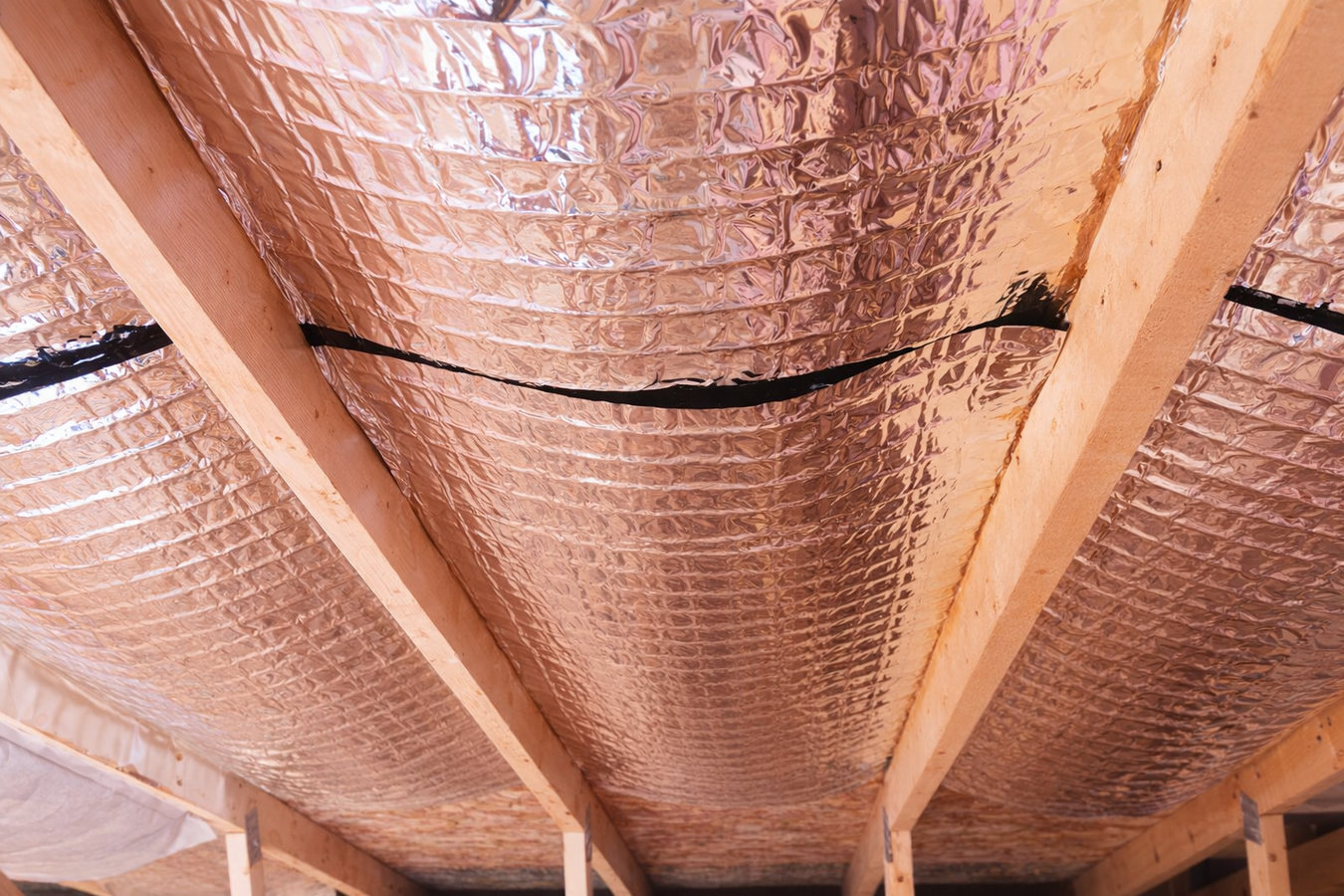
For attics, we most commonly use blown-in loose-fill insulation, which spreads evenly across the attic floor and fills the irregular cavities common in older construction. We always air seal penetrations and gaps before blowing in material - adding insulation without sealing first is like putting a heavy coat on over a mesh shirt. For walls, we use a drill-and-fill approach: small holes drilled from the exterior or interior, material blown in under controlled pressure, holes patched and finished before we leave. This is connected work, and it often pairs naturally with our commercial insulation projects where building owners want the same non-demolition approach for occupied spaces.
The ENERGY STAR Seal and Insulate program offers guidance on the combination of air sealing and insulation that delivers the best results - we follow this approach on every project because it consistently outperforms insulation-only work.
For homeowners who qualify, utility rebates through PPL Electric and Met-Ed can meaningfully reduce out-of-pocket costs. We walk through the rebate process with you during the estimate so you know exactly what savings apply before you decide.
The most common retrofit for Reading homes - fast, effective, and suited to the irregular framing in older attics.
Right for homes with no wall insulation or thin original batts, installed with minimal visible disruption.
Addresses heat loss and cold floors in homes with unheated crawl spaces or basements.
Combined approach that closes gaps before insulating - delivers the best long-term comfort and efficiency gains.
For PPL Electric and Met-Ed customers - we help you capture available rebates so you do not leave money on the table.
Reading has one of the oldest housing stocks in Pennsylvania. A large share of homes were built before 1940, and many were constructed before modern insulation standards existed at all. That means thousands of Reading homeowners are living in walls and attics that were originally built with little or no insulation - and whatever was added over the decades has often settled, degraded, or been installed poorly. When temperatures drop into the teens and single digits during a Reading winter, those homes bleed heat, and the utility bills tell the story every month.
Row homes and semi-detached twins - which make up a large portion of Reading's neighborhoods - present specific challenges. Shared walls with neighbors reduce some heat loss, but the attic, front and rear walls, and floors over basements are often the biggest weak points. Access is tighter than in detached homes, and the work requires more precision to avoid disturbing adjacent units. We have experience with this type of construction and approach it differently than a standard suburban house job. Homeowners in Pottstown and Norristown face similar older housing conditions and call us for the same reasons.
Pennsylvania also requires all home improvement contractors to be registered with the state Attorney General's office - a legal requirement that you can verify online in minutes before hiring anyone. Homeowners in Lancaster and throughout the region have the same protection, and we encourage every homeowner to check before signing. We are registered and happy to provide our number.
We ask a few basic questions - the age of your home, which areas concern you, and any comfort problems you have noticed. You will hear back within one business day to schedule an in-home visit.
We walk your attic, check wall cavities, and look at floors over unheated spaces. We may use a thermal camera to find the worst spots. You get a clear explanation of what we found and a written estimate before you commit to anything.
The written estimate spells out exactly which areas will be treated, what material will be used, and whether air sealing is included. This is the moment to ask about PPL or Met-Ed rebates - we walk you through what applies to your job so there are no surprises.
Clear a path to the attic hatch and move furniture a few feet from exterior walls if we are working on walls. The crew runs equipment in, completes the work, and cleans up before leaving. Most attic jobs are done in four to eight hours.
Written estimate, no obligation. We reply within one business day.
(484) 878-3671Every retrofit estimate starts with an in-person walk of your attic and walls, not a price based on square footage alone. This matters in Reading's pre-war housing stock where wall cavities are narrower, insulation was often added piecemeal, and the condition of what is already there affects the cost and approach of new work.
Pennsylvania's Home Improvement Consumer Protection Act requires all contractors to register with the state. You can look up our registration number on the PA Attorney General's website before you sign anything. This registration protects you legally if something goes wrong, and any contractor who cannot provide their number should not be hired.
Reading is served by both PPL Electric and Met-Ed, and both utilities offer rebates for qualifying insulation work through Pennsylvania's Act 129 program. Enrolled contractors have gone through additional vetting by the utility. We handle the paperwork so you do not have to chase it down after the job is done.
A significant portion of Reading's housing is row homes and semi-detached twins built in the late 1800s and early 1900s. Retrofit work in these homes requires different access planning and more precise execution than a detached house. We have worked in this type of construction throughout Berks County, following the installation standards published by the North American Insulation Manufacturers Association.
Our combination of pre-job assessment, registered contractor status, and active utility rebate enrollment means Reading homeowners get a legitimate process from start to finish, not a quick quote and a crew that disappears after the check clears. Every job includes a written estimate and a walk-through of what was done before we leave your property.
Commercial insulation addresses the thermal and moisture needs of offices, warehouses, and mixed-use buildings throughout the Reading area.
Learn moreHome insulation covers the full range of residential thermal upgrades from attic to basement for homes of all ages.
Learn moreHeating season moves fast - get your written estimate now and lock in your installation date before the schedule fills up.