Loading...
Serving Reading, PA and surrounding areas. (484) 878-3671
Reading Insulation provides insulation contractor services throughout Lebanon, PA, specializing in air sealing, attic insulation, and wall insulation for the city's brick row homes and pre-war housing stock. We serve Lebanon City and surrounding Lebanon Valley communities and reply to every inquiry within one business day.
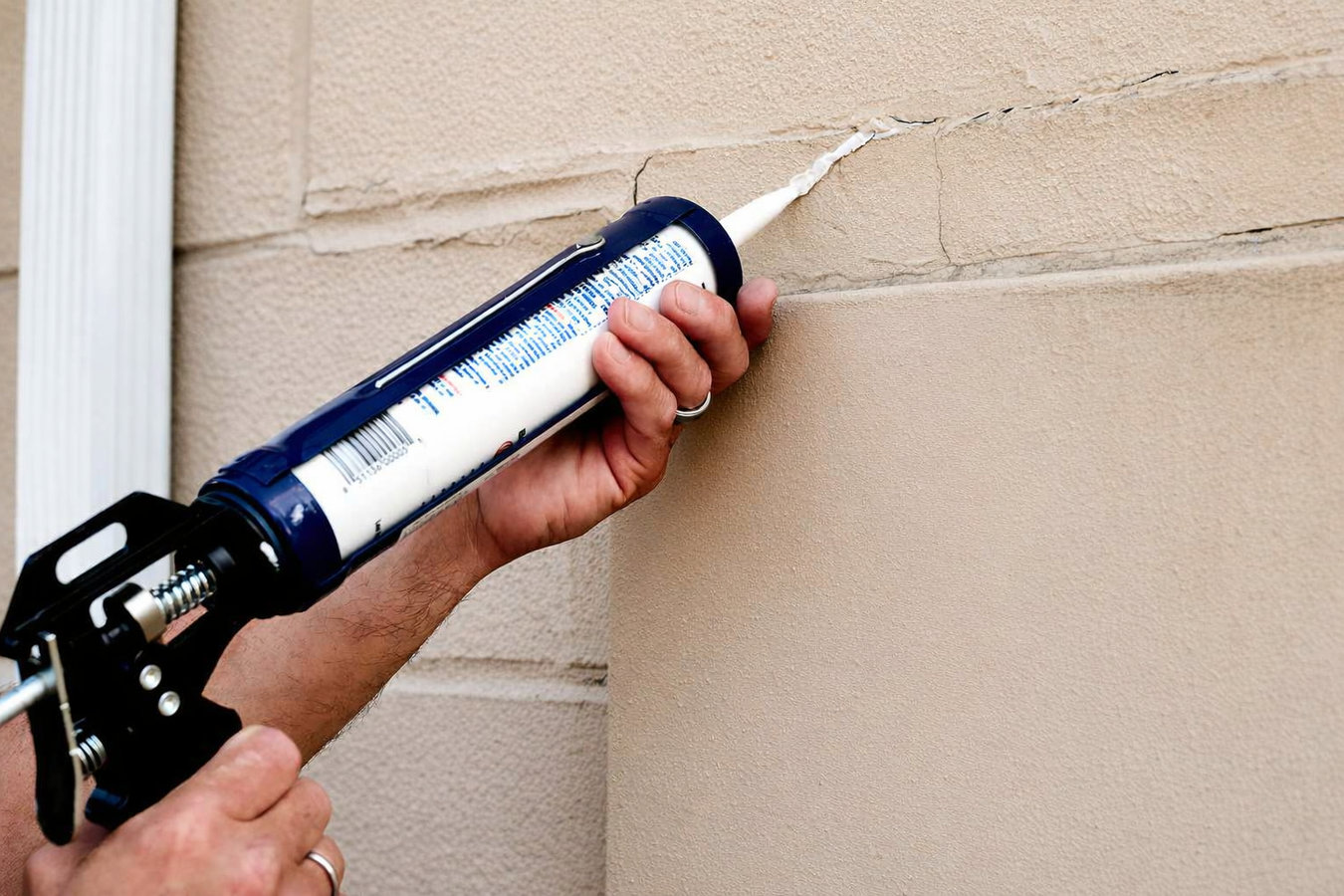
Lebanon's pre-1940 row homes and fieldstone-era houses are full of gaps around framing, old pipe penetrations, and attic bypasses that bleed conditioned air year round. Air sealing those pathways before adding insulation makes a dramatic difference in comfort and energy bills. Air sealing services target the attic floor, rim joists, and foundation walls where heat loss is concentrated in this type of construction.
Lebanon gets 25 to 35 inches of snow annually, and ice dams are a known problem on older homes where heat escapes through an underinsulated attic floor. Adding blown-in insulation on the attic floor stops that heat loss, reduces ice dam risk, and brings heating costs down significantly. Most Lebanon row homes and ranch houses built before 1960 have attic insulation that is well below current code requirements.
Brick row homes in Lebanon's city core were built without insulation in the wall cavities. Cold exterior walls are a daily reality in these homes from November through March. Blown-in wall insulation added through small drilled holes can fill those cavities without disturbing the brick exterior or interior plaster, addressing a comfort problem that has been present since these homes were built.
Blown-in cellulose or fiberglass fills attic spaces and wall cavities more completely than batts in older homes where framing is irregular or cavity widths vary. Lebanon's postwar ranch homes on the city's edges often have shallow attic spaces where blown-in material is the only practical option. The process is fast and leaves the living space undisturbed.
Lebanon Valley's limestone bedrock affects how groundwater moves, and homes in lower-lying areas of Lebanon City can see seasonal moisture in crawl spaces and basements even without flooding events. An uninsulated crawl space transfers that cold and moisture directly into the floor above. Proper insulation and vapor control in the crawl space addresses both problems at once.
Many Lebanon homes have unfinished basements used for storage, mechanicals, or laundry - and uninsulated basement walls transfer cold directly into the living floors above. Insulating the rim joist and basement walls reduces that heat loss and makes the entire home more comfortable. In Lebanon's older fieldstone-era houses, moisture management at the foundation level is part of every basement insulation job.
Lebanon City has a dense core of housing built almost entirely before 1940. Brick row homes and attached twins line the older city streets, built by German and Pennsylvania Dutch settlers using local materials and construction methods common to the era. These homes were never designed with insulation as a consideration. The brick walls conduct heat in winter and store it in summer. Without insulation in the cavities, wall insulation and the attic floor, these homes perform exactly as their builders intended them to: as shells that require constant heating or cooling to keep the interior comfortable.
Lebanon Valley winters are reliably cold and snowy. Average January temperatures drop into the upper 20s Fahrenheit, and the valley sees 25 to 35 inches of snow in a typical year. The freeze-thaw cycling that occurs throughout winter and into March stresses foundations and masonry, but it also drives ice dams on older homes where attic heat loss keeps the roof surface warm above the insulated living space. Lebanon's summers are hot and humid, which pushes moisture into crawl spaces and basements that lack vapor control.
The Lebanon Valley sits on a limestone bedrock formation that creates unusual drainage conditions. Limestone geology means groundwater can move in ways that do not follow surface topography, and seasonal moisture problems in Lebanon basements are sometimes traceable to this underlying geology rather than to surface grading alone. Homes in lower-lying sections of the city near the Lebanon Valley Rail Trail corridor are particularly prone to basement and crawl space moisture after heavy rain or rapid snowmelt.
We work regularly in Lebanon City and are familiar with the permit process through the Lebanon City Bureau of Building and Code Enforcement. The brick row homes and fieldstone-foundation houses that make up a large share of Lebanon's residential inventory are a different job from a newer suburban colonial. Wall cavities in these structures are often narrower than standard, framing is not always regular, and the presence of original plaster means access requires precision rather than brute force.
Lebanon is a compact city where most of the older housing is concentrated within a few blocks of downtown. Routes 422 and 72 are the main corridors we use to reach jobs across the city. WellSpan Good Samaritan Hospital on Cumberland Street is a landmark most residents know, and the neighborhoods that extend out toward North Lebanon and South Lebanon townships include postwar ranch homes that have their own insulation needs. From the Lebanon Valley Rail Trail on the north end of the city to the residential blocks south of downtown, we cover all of Lebanon.
We also serve homeowners in Lancaster, PA, about 30 miles southwest, which shares many of Lebanon's housing characteristics: dense brick row home construction, pre-war vintage, and Pennsylvania Dutch building traditions throughout the surrounding townships. If you are in Annville, Palmyra, or anywhere else in Lebanon County, we serve those areas as well.
Reach us by phone at (484) 878-3671 or through the contact form on this site. We reply to all Lebanon inquiries within one business day and will confirm a time for an on-site visit.
We walk the attic, walls, crawl space, and basement to understand exactly what your Lebanon home needs. You receive a written estimate before any work is scheduled, with no obligation to proceed.
Most Lebanon attic and air sealing jobs are completed in a single day. Wall insulation in older row homes may take one to two days depending on the number of exterior walls. You do not need to leave your home during the work.
Before we leave, we walk through the completed work with you so you can see what was done and ask questions. If any issues come up after the job, call us and we will come back.
We serve Lebanon City and surrounding Lebanon Valley communities. Free on-site estimates. Written quote before any work starts. No pressure.
(484) 878-3671Lebanon is a small city of about 28,000 people in south-central Pennsylvania, situated in the Lebanon Valley between Blue Mountain to the north and South Mountain to the south. The valley floor is flat agricultural land with a limestone geology beneath it, and the surrounding farmland and ridge views are a constant feature of life here. The city's older neighborhoods close to downtown are filled with brick row homes and attached twins, many built in the late 1800s and early 1900s, reflecting the Pennsylvania Dutch heritage that shaped construction throughout Lebanon County.
Lebanon has a working-class character rooted in healthcare and manufacturing. WellSpan Good Samaritan Hospital is one of the city's largest employers and has been part of the community for over a century. The Lebanon Valley Industrial Park on the south end of the city adds a manufacturing presence that keeps many local residents employed close to home. The city's housing is a mix: dense row homes near downtown, postwar ranch homes and Cape Cods in neighborhoods that expanded outward in the 1950s and 1960s, and a significant stock of multi-family buildings that reflect the city's historically high rental rate.
Homeowners in Lebanon who invest in their properties tend to stay. The city has a long-term ownership culture, and Lebanon County is known for residents who maintain and improve homes that have been in families for generations. That commitment to maintaining older housing stock is part of why insulation upgrades matter here: a brick row home on a Lebanon city block is worth protecting. Nearby communities we also serve include Harrisburg, about 25 miles to the west along Interstate 78, and Reading, our home base, about 35 miles to the east.
Spray foam creates an airtight seal that stops air leaks and maximizes energy savings.
Learn moreProper attic insulation keeps conditioned air inside and reduces heating and cooling costs.
Learn moreBlown-in insulation fills gaps and hard-to-reach areas for complete, even coverage.
Learn moreSafe removal of old, damaged, or contaminated insulation before new material is installed.
Learn moreInsulating your crawl space reduces moisture, drafts, and heat loss from below your floors.
Learn moreWall insulation reduces outside noise and keeps indoor temperatures stable.
Learn moreAir sealing closes gaps and cracks that let conditioned air escape and drive up energy bills.
Learn moreBasement insulation prevents cold floors, moisture buildup, and energy loss at the foundation.
Learn moreClosed-cell foam provides the highest R-value per inch and acts as a moisture barrier.
Learn moreOpen-cell foam expands to fill every cavity and delivers excellent soundproofing.
Learn moreAttic air sealing blocks the stack effect that pulls warm air out of your home in winter.
Learn moreA vapor barrier keeps ground moisture out of your crawl space and living areas above.
Learn moreProfessional vapor barrier installation protects your home from humidity-related damage.
Learn moreRetrofit insulation adds performance to existing walls and attics without major renovation.
Learn moreCommercial insulation solutions for offices, warehouses, and mixed-use buildings.
Learn moreServing these cities and communities.
Call or submit your information today and we will schedule a free on-site estimate. Lebanon winters do not wait.